📌 Save this for later so you don’t have to repeat yourself tomorrow.
If you feel like you’re repeating yourself all day… you’re not alone.
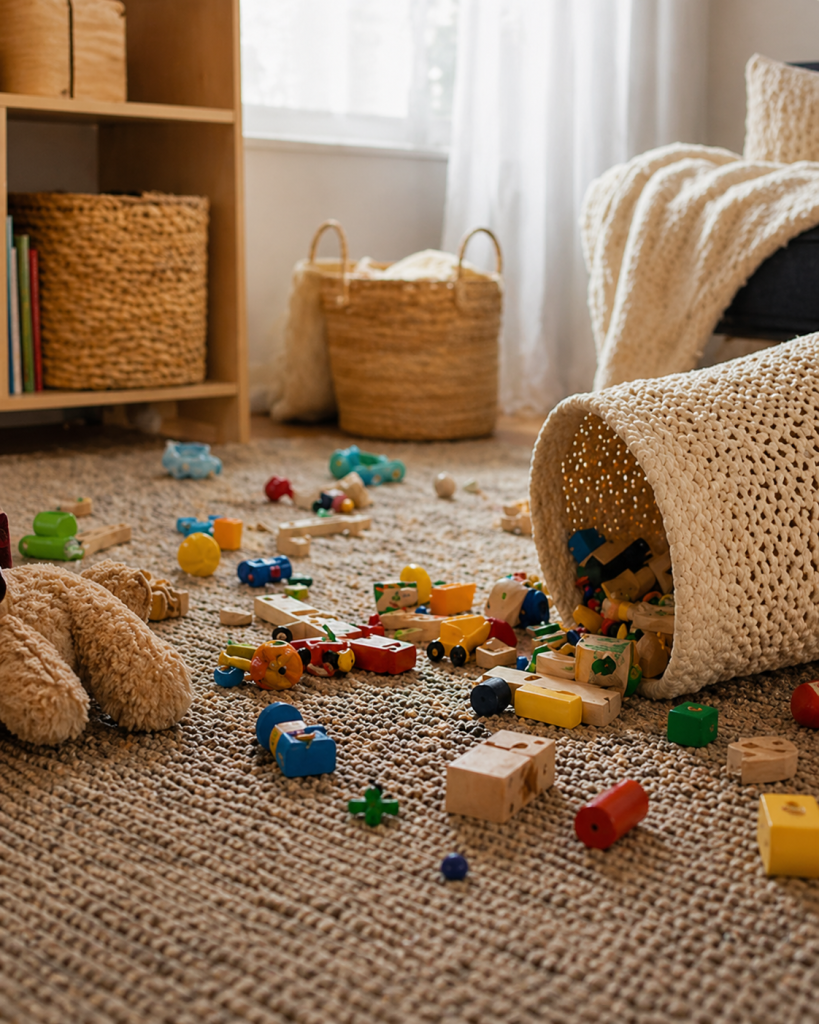
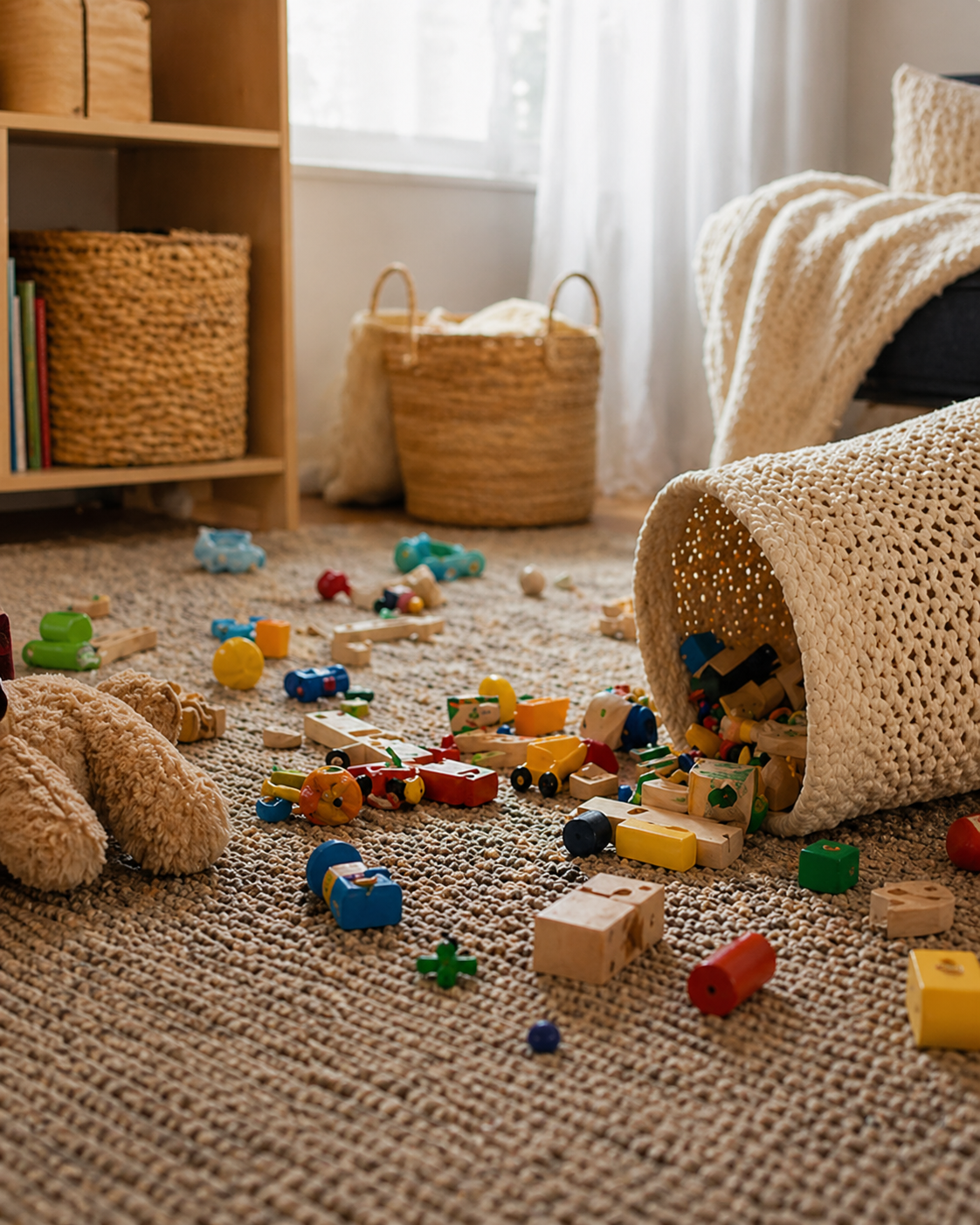
“Go clean up.”
Nothing happens.
You say it again.
Still nothing.
By the third (or tenth) time, it turns into frustration—for you and your child.
It can feel like they’re ignoring you on purpose.
But most of the time, that’s not what’s actually happening.
Many kids don’t naturally know how to follow through on a direction.
They might:
So when we keep repeating ourselves, it doesn’t teach the skill—it just increases tension.
──────────────────────────────
Want more practical parenting tips like this?
Join other parents getting simple safety tips, helpful product recommendations, and real-life parenting advice for babies through young kids.
✓ Safety tips many parents don’t realize
✓ Parent-tested products that actually help
✓ Practical ideas you can use right away
Delivered every other week — no spam, no selling or sharing your contact info.
When we repeat directions over and over:
It turns into a pattern:
👉 You repeat
👉 They delay
👉 Everyone gets frustrated
Instead of repeating the same instruction, shift your approach:
This doesn’t mean doing it for them.
It means helping them get started.
Instead of:
“Go clean up.”
“Go clean up.”
“Go clean up right now!”
Try:
“Time to clean up. I’ll help you get started.”
Then:
Once they begin, it’s much easier for them to continue.
This approach:
You’re not lowering expectations—you’re teaching the process.
Independence doesn’t come from being told something over and over.
It comes from:
Over time, your child needs less help—not more reminders.
──────────────────────────────
Want more practical parenting tips like this?
Join other parents getting simple safety tips, helpful product recommendations, and real-life parenting advice for babies through young kids.
✓ Safety tips many parents don’t realize
✓ Parent-tested products that actually help
✓ Practical ideas you can use right away
Delivered every other week — no spam, no selling or sharing your contact info.
If you’re tired of repeating yourself, try this small shift:
👉 Say it once
👉 Then guide the first step
It may feel different at first, but it’s how kids actually learn to follow through.
And that’s what leads to real independence—without the daily power struggle.
Save this so you don’t have to repeat yourself tomorrow.