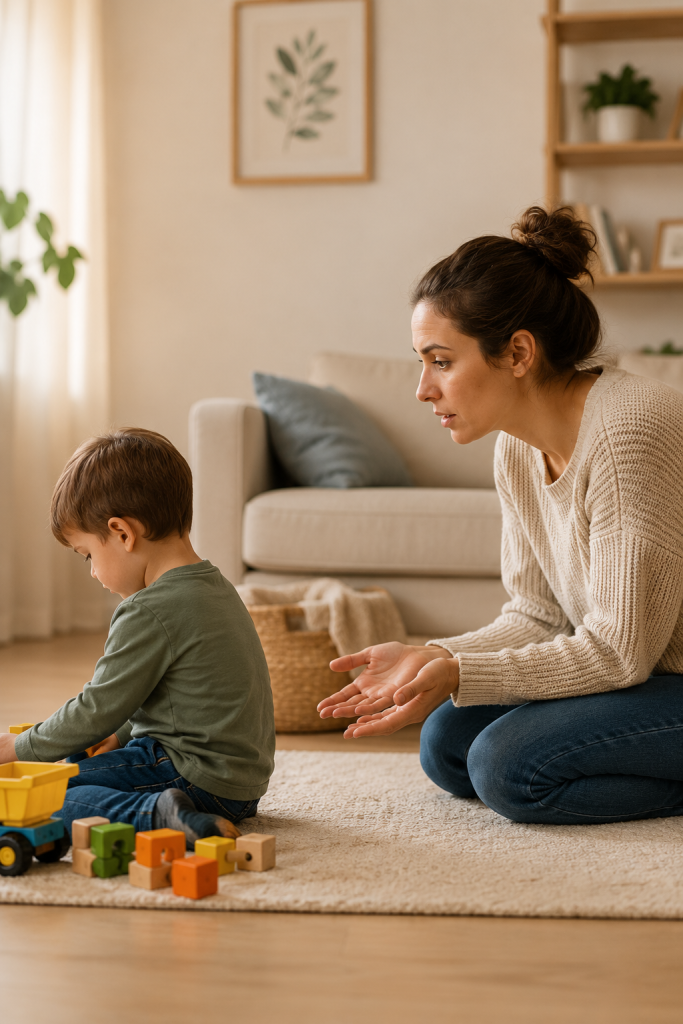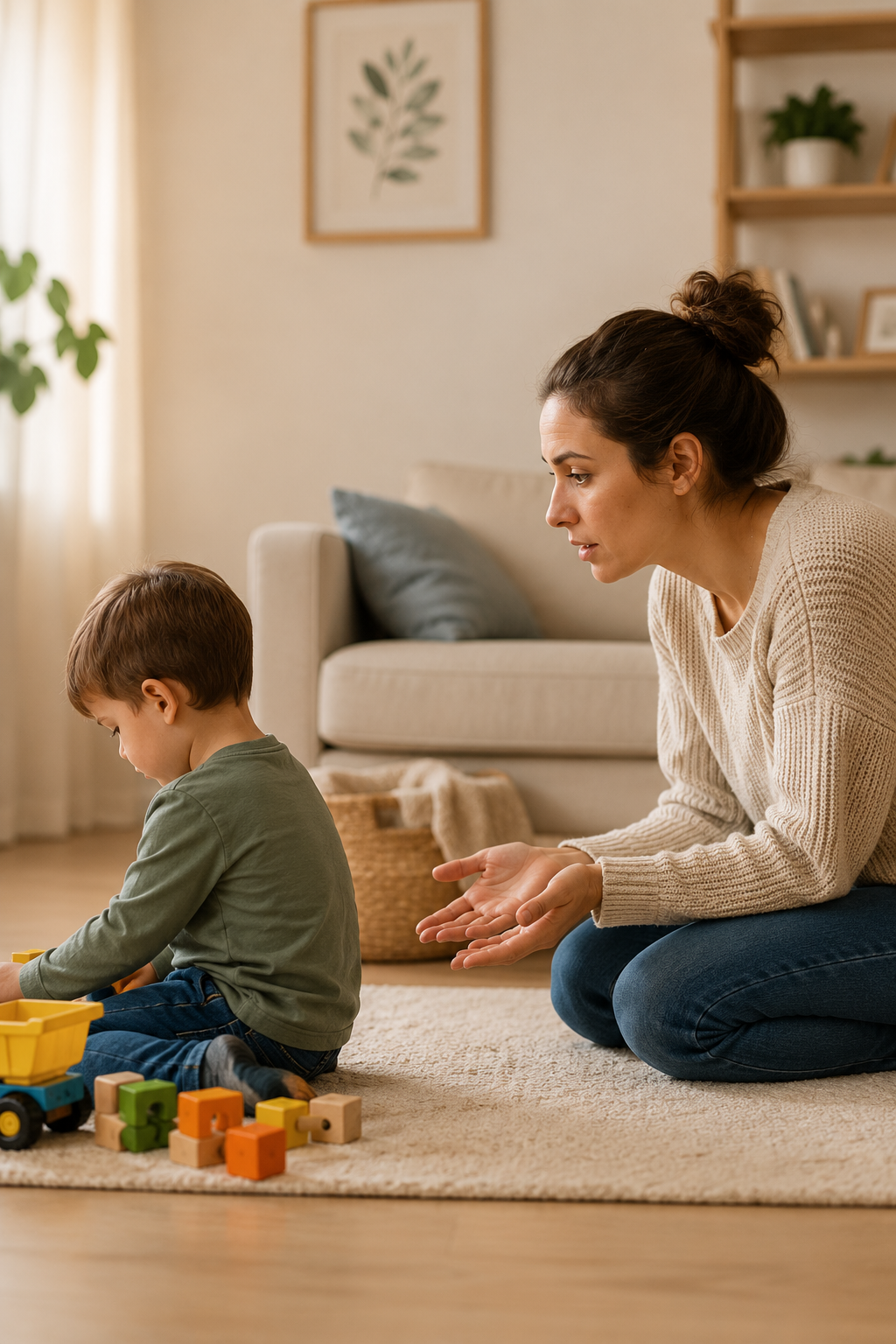
When your child won’t listen the first time, it can be frustrating and exhausting for parents.
Whether it’s getting dressed, cleaning up toys, or simply responding to a basic request, it can quickly feel like your child is ignoring you on purpose.
But in many cases, children aren’t trying to be difficult.
Young kids are still learning important skills like focus, emotional regulation, transitions, and self-control. What looks like “not listening” is often a child struggling to shift attention, process instructions, or manage big feelings.
The good news? Calm connection and consistent communication can help children learn to respond more effectively over time — without constant yelling, threats, or power struggles.

Children are not miniature adults with fully developed attention spans, emotional regulation, or impulse control.
Many young children become deeply focused on play, overwhelmed by transitions, or distracted by what’s happening around them. In those moments, they may not fully process what a parent is saying the first time.
This can feel frustrating for parents, especially during busy or stressful parts of the day. But understanding why children struggle to respond can help shift the interaction from conflict to connection.
Instead of assuming defiance immediately, it often helps to pause and consider what your child may be experiencing in that moment.
When children seem to ignore instructions, our first instinct is often to repeat ourselves louder and louder.
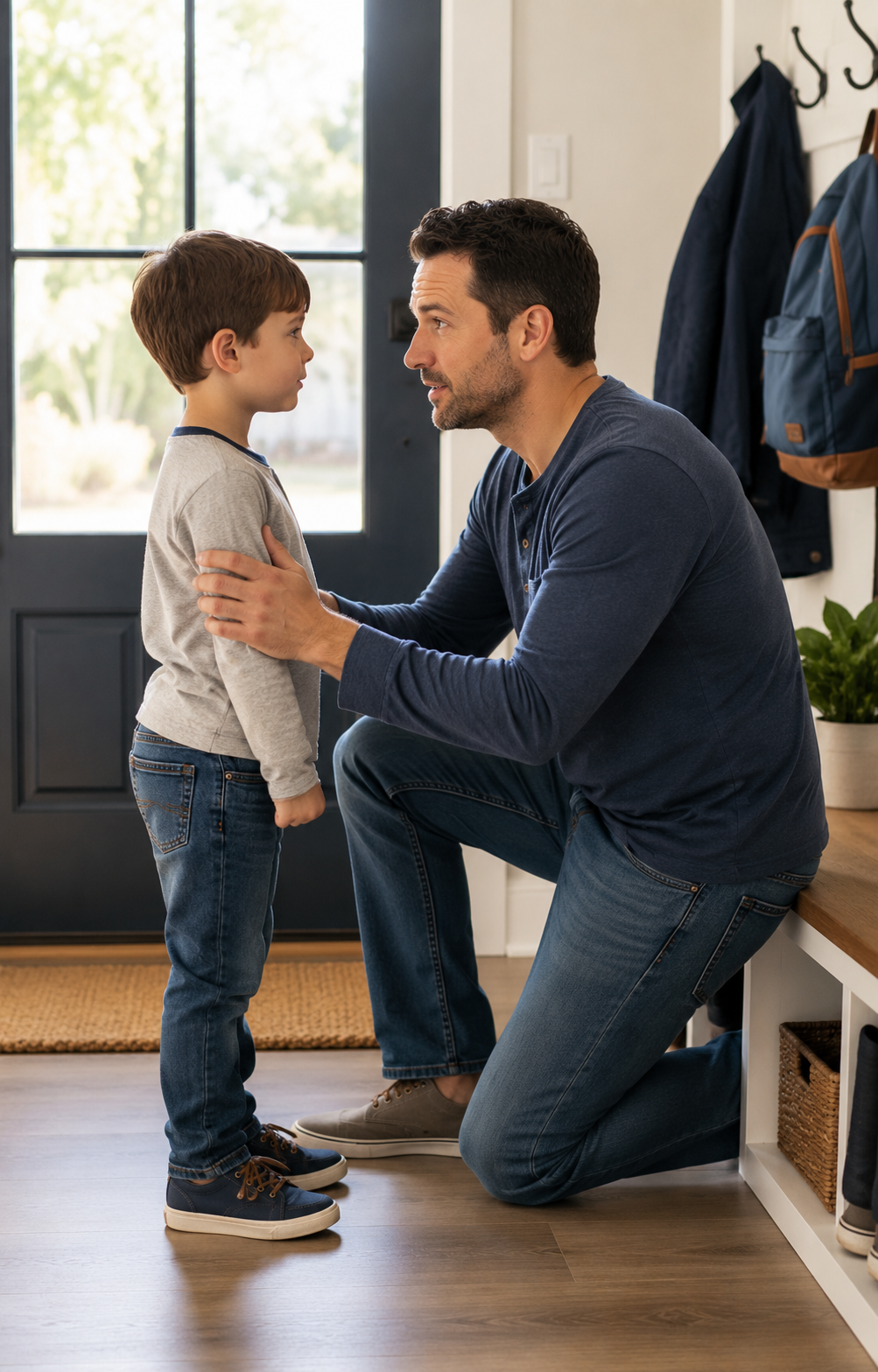
But many children respond better when parents slow down, move closer, and connect first.
Getting at your child’s eye level, using a calm voice, and making gentle eye contact can help them shift attention and process what you’re saying more effectively.
This approach not only improves communication, but also helps reduce power struggles and emotional escalation for both parent and child.
Over time, calm connection teaches children how to pause, listen, and respond with greater consistency.

──────────────────────────────
Want more practical parenting tips like this?
Join other parents getting simple safety tips, helpful product recommendations, and real-life parenting advice for babies through young kids.
✓ Safety tips many parents don’t realize
✓ Parent-tested products that actually help
✓ Practical ideas you can use right away
Delivered every other week — no spam, no selling or sharing your contact info.
Every parent loses patience sometimes. Parenting is demanding, exhausting, and emotionally overwhelming at times.
But children learn more from consistent calm communication than from fear, yelling, or repeated correction.
When parents stay as regulated as possible during difficult moments, children feel safer, more connected, and more able to cooperate over time.
This doesn’t mean parents must remain perfectly calm all the time. It simply means that repairing, reconnecting, and responding with consistency matters more than perfection.
Small moments of connection repeated over time can have a powerful impact on how children learn to communicate and respond.

When children don’t listen the first time, it doesn’t automatically mean they are being disrespectful or intentionally difficult.
In many cases, children are still learning how to manage attention, emotions, transitions, and communication. These skills take time, practice, and consistent support to develop.
While repeating yourself louder may feel tempting in stressful moments, calm connection often creates better long-term results.
Getting close, staying regulated when possible, and focusing on communication instead of immediate control can help children feel safer, more understood, and more willing to cooperate over time.
Parenting is not about being perfect every moment of every day. It’s about building trust, connection, and communication one interaction at a time.
Want more practical parenting tips like this?
Join other parents getting simple safety tips, helpful product recommendations, and real-life parenting advice for babies through young kids.
✓ Safety tips many parents don’t realize
✓ Parent-tested products that actually help
✓ Practical ideas you can use right away
Delivered every other week — no spam, no selling or sharing your contact info.
Save this for the hard days — and share it with another parent who may need the reminder.
Helping parents navigate real-life parenting with calm, practical support.
— Modern Kids Max