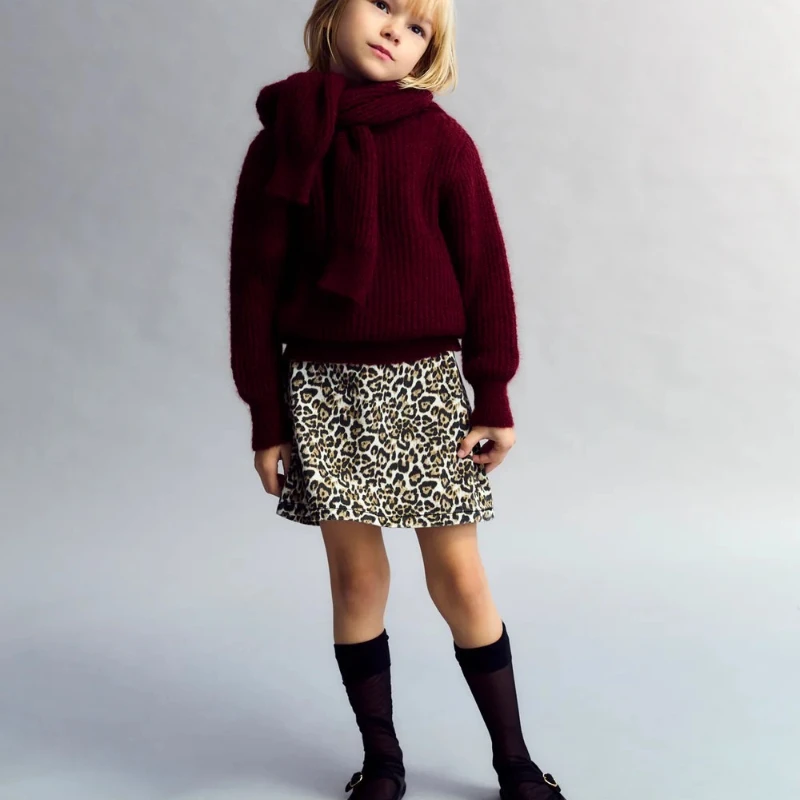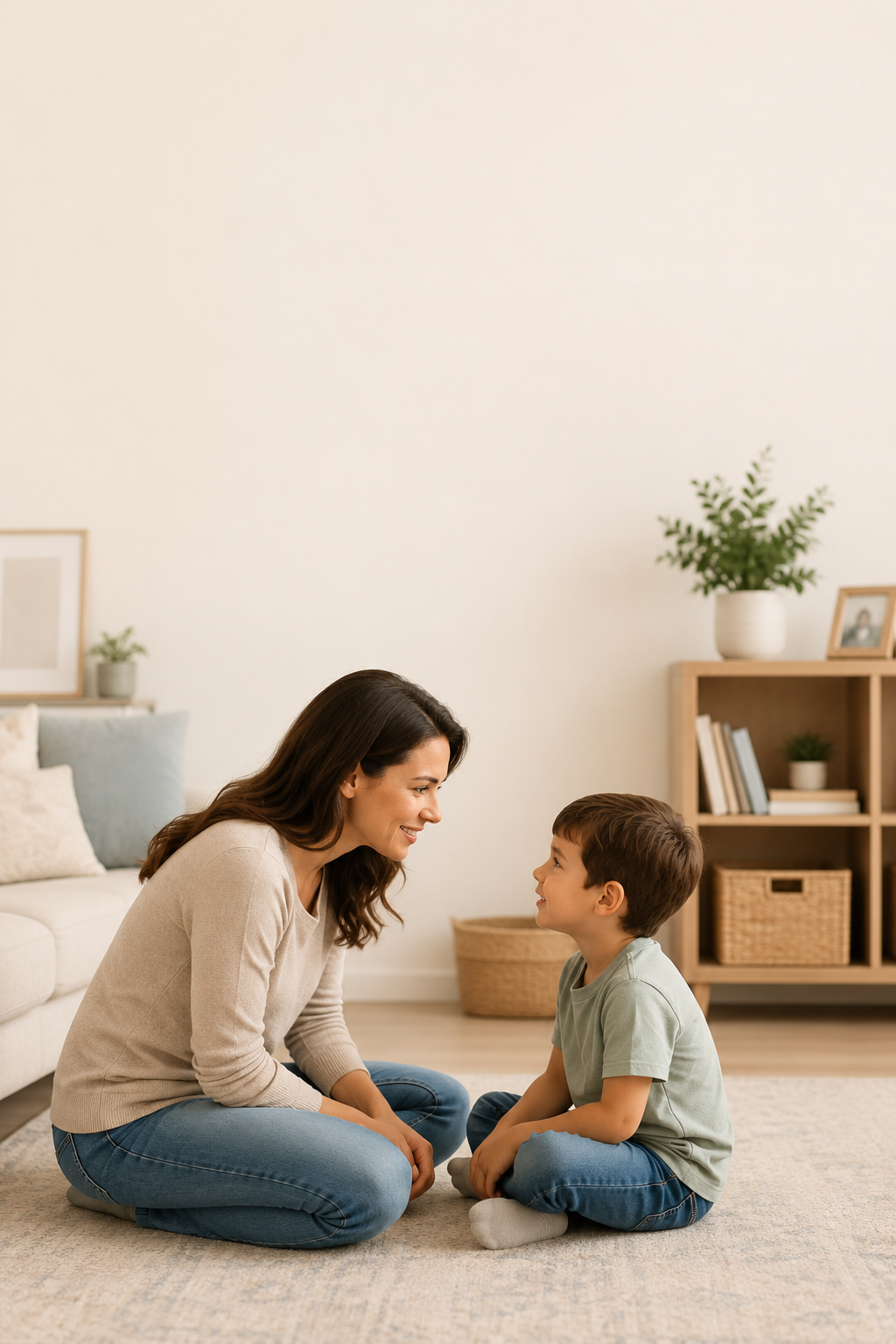
Every parent knows that kids are full of energy, curiosity, and unique personalities. As they grow, they develop their own preferences, including how they like to dress. While some children are happy to wear whatever is laid out for them, others have very strong opinions about what they want to wear. Dressing your child in a way that reflects their personality not only helps them feel more comfortable but also gives them the confidence to express who they are. In this post, we’ll explore how to dress your child in a way that suits their personality while keeping things stylish, comfortable, and practical.
Understanding Your Child’s Personality
Before you even think about the clothes, it’s important to understand your child’s personality. Is your little one shy or outgoing? Do they have a specific interest, like dinosaurs, princesses, or superheroes? Are they a trendsetter or someone who prefers a more laid-back, classic style?
By observing how your child behaves and what they gravitate toward, you can start to make informed choices about what to put in their wardrobe. Here are a few personality types you might encounter and how to dress them:
that help them shine. Clothes with a bit of sparkle, glitter, or flair can fuel their sense of creativity and self-expression. Look for fun, statement pieces like sequined jackets, tutus, or graphic tees with positive messages.
How to Choose Clothes That Reflect Their Personality
Once you’ve identified your child’s personality, it’s time to pick clothes that reflect who they are. Here’s how to go about it:
If your child has a particular passion, whether it’s animals, sports, or a specific color, you can incorporate these elements into their wardrobe. For example, if they love animals, opt for T-shirts with animal prints or character-based clothing from their favorite movies or books. If they have a favorite superhero, consider graphic tees, pajamas, or accessories that feature their hero.
Although you’re the one purchasing the clothes, it’s important to give your child some input in their wardrobe choices. Let them pick out their clothes from time to time, and take note of the styles, colors, and patterns they seem to gravitate toward. Encouraging your child to express their opinions will give them a sense of independence and help you better understand their preferences.
While it’s great to let your child wear clothes that represent their personality, comfort should always come first. Avoid tight or restrictive clothes that could make your child feel uncomfortable. Choose fabrics that feel soft against their skin, and make sure the clothes are suitable for everyday activities. For example, a shy child might prefer leggings or soft, cotton dresses over scratchy wool sweaters.
For outgoing kids who love attention, don’t be afraid to pick bright and bold colors. These children thrive when they’re the center of attention, and wearing eye-catching colors like red, yellow, or neon shades can help them stand out. Just be careful to balance the bold colors with simpler accessories to avoid overwhelming their look.
If your child is more reserved, go for timeless, classic pieces that are understated yet stylish. Simple, solid-colored shirts, dresses, and sweaters in neutral tones will make them feel comfortable and calm. Avoid overly trendy or busy patterns that might make them feel out of place.
Accessories are a great way to express individuality. If your child loves a particular character or theme, look for fun accessories like hats, hairbands, backpacks, and shoes that feature those elements. Accessories are also an easy way to add a touch of flair to an otherwise simple outfit. For example, a bold, patterned scarf or a pair of quirky socks can transform a basic outfit into something more expressive.
When dressing your child, consider not only their personality but also the weather and season. A creative child might love wearing a colorful winter coat, while an adventurous child might prefer layering up with comfortable, warm clothing for outdoor play. Pay attention to what’s appropriate for the time of year while still reflecting your child’s unique style.
The fit of your child’s clothes is just as important as the color and style. Ill-fitting clothes can make even the most stylish outfit feel uncomfortable. Ensure that clothes are not too tight or too loose, allowing your child to move freely and comfortably. As they grow, their clothes will need to be updated, so don’t hesitate to buy a larger size if needed.
Tips for Dressing Different Age Groups
Conclusion
Dressing your child in a way that suits their personality can be a fun and fulfilling experience for both you and your child. By observing their interests, giving them choices, and incorporating clothing that reflects who they are, you can help them feel more comfortable and confident. Whether they’re an adventurer, a trendsetter, or a creative spirit, there are endless ways to express their personality through clothing. Ultimately, the goal is to let them shine while ensuring they’re comfortable and ready to take on the world in style!