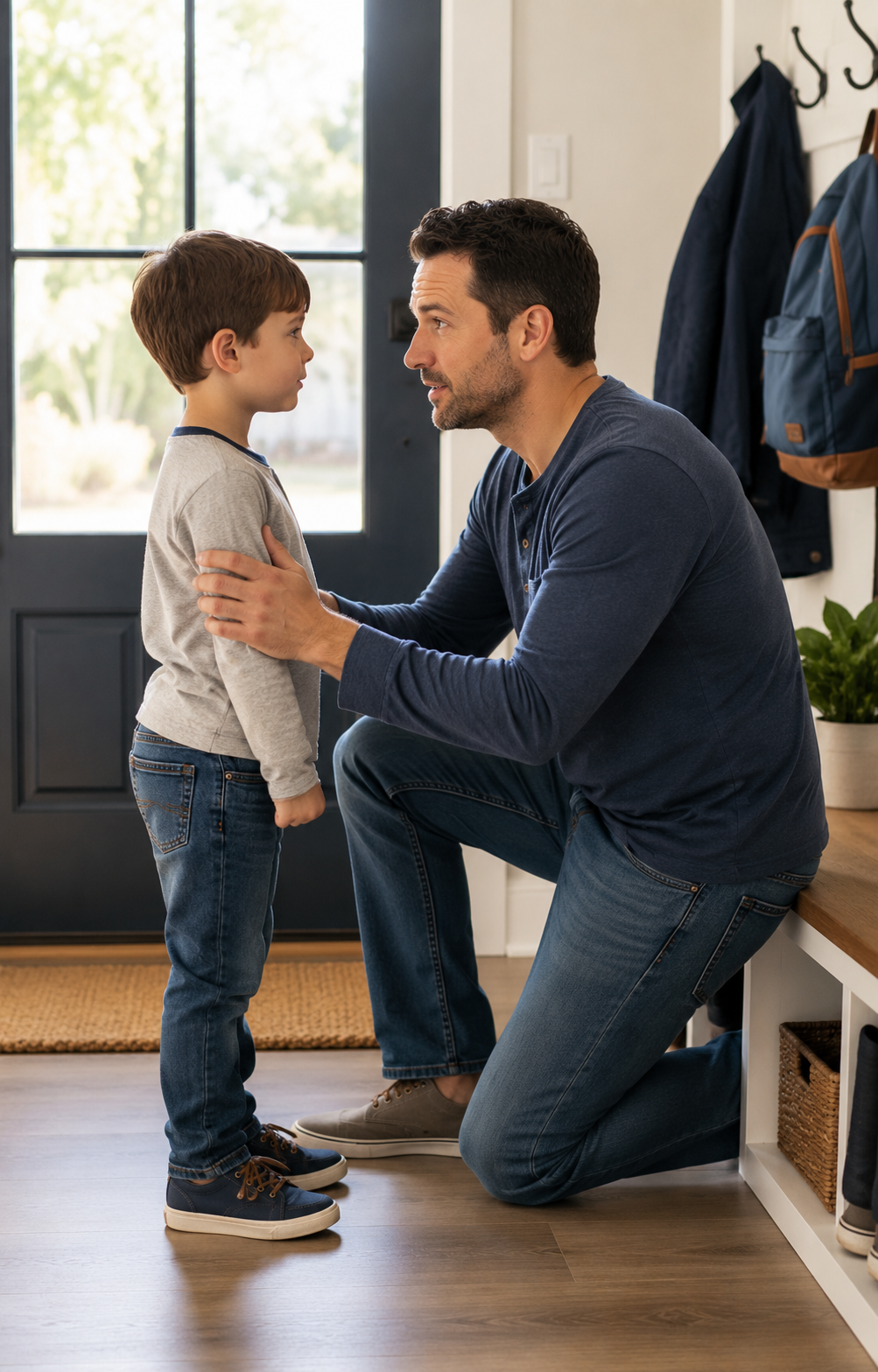
Every parent wants their child to feel safe, loved, and secure. Yet many parents assume that creating security means doing everything perfectly or protecting children from every disappointment.
In reality, children don’t need perfect parents. They need parents they can count on.
A child’s sense of security develops through everyday experiences. When children know what to expect, trust that their needs will be met, and feel connected to the people who care for them, they gain the confidence to explore the world around them.
The good news is that helping children feel secure doesn’t require grand gestures. Small, consistent habits practiced day after day often have the greatest impact.
Let’s look at some of the parenting habits that help children build lasting emotional security.

Children thrive when they know what to expect. Predictable routines and consistent expectations help children feel safe because they reduce uncertainty and create a sense of stability.
This doesn’t mean every day has to follow a strict schedule. Life happens, and routines will occasionally change. What matters is that children have a general understanding of how their day will unfold and what they can expect from the adults caring for them.
Simple routines such as regular mealtimes, bedtime rituals, and morning routines help children feel secure. These familiar patterns provide reassurance, especially during times of change or stress.
Predictability also extends beyond daily schedules. Children feel more secure when parents respond consistently to behaviors, follow through on expectations, and communicate changes in advance whenever possible.
When children know what to expect, they spend less energy worrying about what might happen next and more energy learning, growing, and exploring the world around them.

Trust is one of the strongest foundations of emotional security. Children learn whether the world feels safe based largely on whether the adults in their lives are dependable.
When parents follow through on what they say, children learn that their words have meaning. Whether it’s keeping a promise, enforcing a boundary, or simply returning when you said you would, consistency helps children develop confidence in the people they rely on most.
Of course, no parent can keep every promise. Unexpected situations arise, plans change, and mistakes happen. What matters most is being honest and communicating clearly when circumstances change.
For example, if you tell your child you’ll play a game after dinner, make every effort to follow through. If something prevents it, explain why and offer a realistic alternative. These moments teach children that while life isn’t always predictable, they can still trust the adults who care for them.
Over time, consistent follow-through helps children develop a deep sense of security because they learn that their parents are reliable, honest, and trustworthy.
──────────────────────────────
Want more practical parenting tips like this?
Join other parents getting simple safety tips, helpful product recommendations, and real-life parenting advice for babies through young kids.
✓ Safety tips many parents don’t realize
✓ Parent-tested products that actually help
✓ Practical ideas you can use right away
Delivered every other week — no spam, no selling or sharing your contact info.
Many parents worry about whether they are doing enough for their children. They wonder if they are spending enough time together, choosing the right activities, or handling every situation the right way.
The truth is that children don’t need perfect parents. They need meaningful connection.
Connection happens in the small moments of everyday life. Reading a book together, sharing a meal, playing a game, or simply listening when your child wants to talk can strengthen your relationship and help your child feel valued and loved.
Even a few minutes of focused attention can make a difference. When children feel seen, heard, and understood, they develop a stronger sense of belonging and emotional security.
It’s not the quantity of activities that matters most. What matters is being present. Setting aside distractions and giving your child your full attention, even briefly, sends a powerful message: “You matter to me.”
Those moments of connection help build the trust and confidence children carry with them as they grow.

Children experience strong emotions long before they have the skills to manage them. Frustration, disappointment, fear, sadness, and anger are all a normal part of growing up.
During these moments, children look to their parents for guidance. They learn how to respond to emotions by watching how the adults around them respond.
When parents remain calm during emotional situations, they help children feel safe, even when big feelings arise. A calm presence communicates that emotions are manageable and that difficult moments will pass.
This doesn’t mean parents must stay perfectly composed at all times. Everyone has challenging days. What matters is making an effort to respond thoughtfully rather than reacting impulsively.
Simple actions such as taking a deep breath, speaking in a calm voice, listening without immediately trying to fix the problem, or offering comfort can help children feel supported while they work through their emotions.
Over time, these experiences teach children an important lesson: all feelings are acceptable, and they can trust that someone will help them navigate difficult moments.
Most children experience some level of anxiety when separated from their parents. Whether it’s starting school, attending daycare, spending time with a babysitter, or simply being apart for a few hours, separation can feel challenging for young children.
One of the most powerful ways parents can help is through reassurance and consistency. When children learn that parents leave and return as expected, they begin to trust that separations are temporary and manageable.
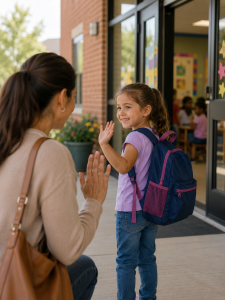
Simple routines can make a big difference. A special goodbye, a hug, a wave at the door, or a reassuring phrase can help children feel more confident during transitions. Over time, these predictable interactions create a sense of security that helps children adapt to new situations.
It’s also important to acknowledge children’s feelings without reinforcing their fears. Instead of dismissing worries, parents can offer calm reassurance by saying things like, “I know it’s hard to say goodbye. I’ll be back after school, just like I always am.”
As children experience successful separations and reunions, they develop confidence in both themselves and their relationship with their parents. They learn an important lesson: even when we’re apart, our connection remains strong.
Helping children feel secure doesn’t require perfect parenting. In fact, some of the most powerful ways to build emotional security are found in the small moments of everyday life.
Predictable routines, following through on promises, spending time together, staying calm during difficult moments, and offering reassurance during separations all help children develop trust and confidence.
These habits may seem simple, but their impact is lasting. Over time, children learn that they are loved, supported, and able to rely on the people who care for them.
No parent gets it right all the time. What matters most is showing up consistently and creating an environment where children feel safe, valued, and connected.
The small habits you practice today help build the security your child will carry with them for years to come.
Want more practical parenting tips like this?
Join other parents getting simple safety tips, helpful product recommendations, and real-life parenting advice for babies through young kids.
✓ Safety tips many parents don’t realize
✓ Parent-tested products that actually help
✓ Practical ideas you can use right away
Delivered every other week — no spam, no selling or sharing your contact info.
💾 Save this post for a reminder that children need consistency more than perfection.
Helping parents navigate real-life parenting with calm, practical support.
— Modern Kids Max