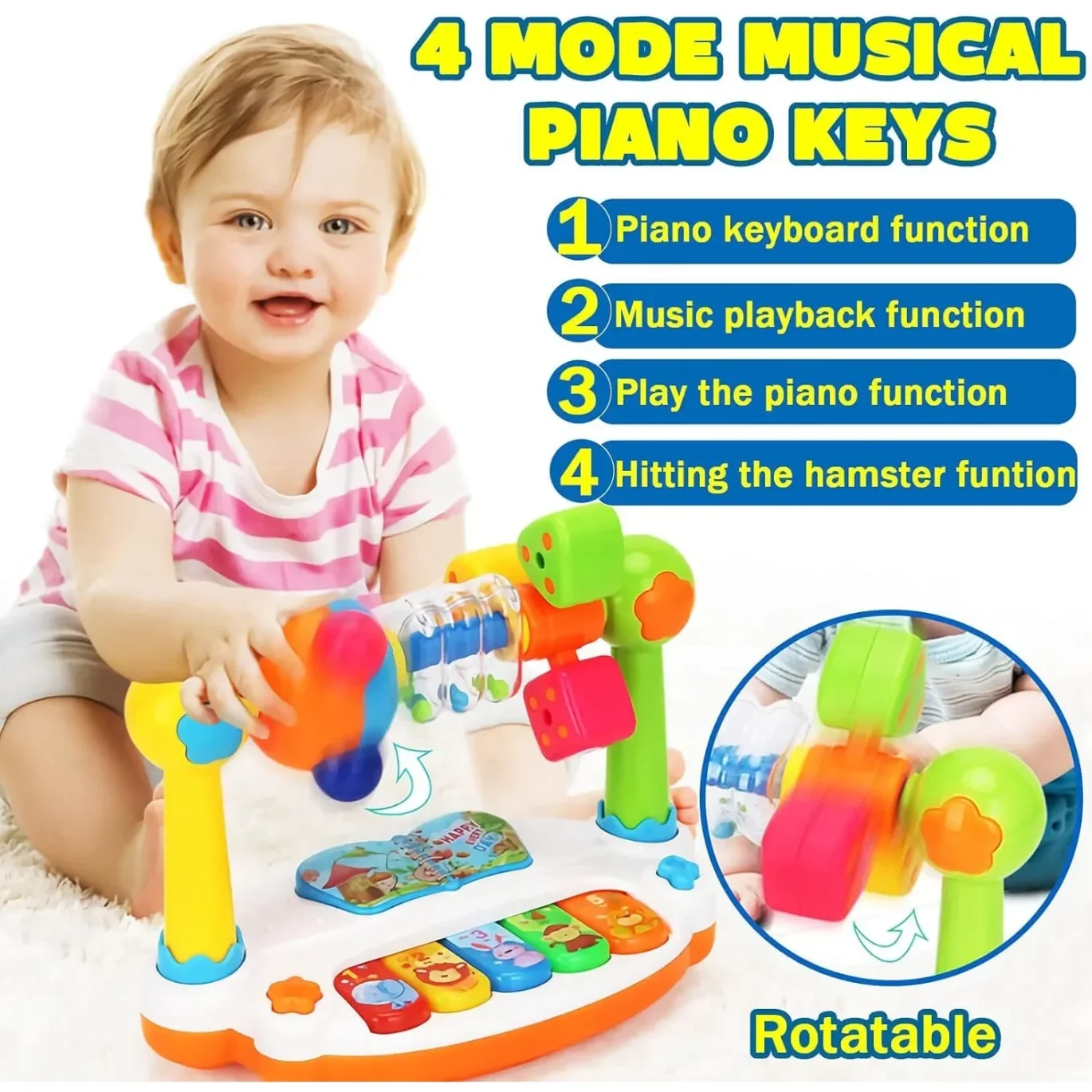
As a parent, one of the most exciting aspects of raising your child is watching them discover and explore the world around them. A big part of this exploration is through play, and choosing the right toys for your child can help nurture their growth and development. However, with so many options available in stores and online, how do you decide which toys are best for your child at each stage of their life?
Choosing age-appropriate toys is essential to ensure your child is not only entertained but also engaging in activities that promote their cognitive, motor, and social development. Here’s a detailed guide to help you select toys that are fun, safe, and beneficial for your child at each stage of their growth.
Why Age-Appropriate Toys Matter
Toys are more than just playthings; they are tools that foster learning and development. Age-appropriate toys are designed to be challenging without being frustrating, helping to build skills such as hand-eye coordination, problem-solving, and emotional regulation. The right toy also supports your child’s social, emotional, and physical growth by encouraging creativity, imaginative play, and physical activity.
If a toy is too advanced for your child’s age, it can lead to frustration or even boredom, while toys that are too simple may not adequately challenge them, limiting their potential for learning. By choosing the right toys for your child’s age, you’re helping them make the most of their playtime while ensuring their safety.
Toys for Infants (0-12 months)
The first year of life is full of rapid development, and babies begin to learn about the world through their senses. When choosing toys for infants, focus on safety and sensory stimulation. The best toys for babies engage their sight, sound, and touch while encouraging them to explore their environment.
Key Features to Look for:
- Soft and safe materials: Look for non-toxic, BPA-free toys that are gentle on your baby’s skin and mouth.
- Bright colors and contrasting patterns: Babies are drawn to bright colors and high-contrast visuals that help them focus and track movement.
- Toys that make noise: Rattles, soft musical toys, and crinkly fabrics can help your baby develop their sense of hearing and cause-and-effect understanding.
- Textured toys: Soft fabric books, plush toys, and teethers that encourage tactile exploration are ideal.
Popular Toys for Infants:
- Rattles: Simple and safe, they promote hand-eye coordination.
- Activity mats: These often have colorful designs, textures, and hanging toys that stimulate your baby’s senses.
- Teething rings: Soft, chewable toys are perfect for babies experiencing teething discomfort.
- Soft fabric books: Textures, colors, and pictures encourage early literacy and tactile exploration.
Toys for Toddlers (1-3 years)
As toddlers begin walking, talking, and developing more independence, their toys need to stimulate their growing skills, like language development, motor coordination, and problem-solving. At this stage, toddlers are becoming more mobile and starting to engage in pretend play.
Key Features to Look for:
- Simple puzzles and shape sorters: Toys that encourage problem-solving, shape recognition, and fine motor skills.
- Building toys: Large, easy-to-grasp blocks or construction toys promote creativity and coordination.
- Pretend play toys: Simple toys that promote imaginative play, such as kitchen sets, dolls, or stuffed animals.
- Interactive toys: Toys that involve cause-and-effect actions, like buttons that make sounds or light up, can entertain toddlers while helping them understand basic concepts.
Popular Toys for Toddlers:
- Shape sorters: These toys encourage fine motor skills and the understanding of shapes and colors.
- Building blocks: Large blocks like wooden or plastic ones help toddlers develop spatial reasoning and motor coordination.
- Play kitchens or toolsets: Pretend play toys allow toddlers to mimic adult activities, building social and cognitive skills.
- Musical toys: Instruments like xylophones, drums, and tambourines can stimulate auditory development and rhythm.
Toys for Preschoolers (3-5 years)
Preschoolers are full of energy and curiosity, and this is the time when they start to engage in more complex imaginative play, develop social skills, and refine their fine motor abilities. At this age, children can follow simple instructions and enjoy more interactive and structured play.
Key Features to Look for:
- Educational toys: Toys that promote early literacy, math skills, and problem-solving, such as alphabet blocks or counting toys.
- Art and craft supplies: Crayons, markers, paints, and other craft supplies encourage creativity and self-expression.
- Active toys: Sports equipment, balance bikes, or jump ropes that help improve physical coordination and motor skills.
- Role-playing toys: Toys that encourage social interaction, like dollhouses, playsets, or dress-up clothes, are excellent for imaginative play.
Popular Toys for Preschoolers:
- Building sets: Toys like LEGO or magnetic building blocks help children develop engineering skills and spatial awareness.
- Play dough: Encourages creativity and strengthens hand muscles for fine motor development.
- Pretend play sets: Kitchen sets, doctor kits, and toolkits let preschoolers mimic real-world scenarios, developing empathy and social skills.
- Board games: Simple games like “Candy Land” or “Chutes and Ladders” teach turn-taking, patience, and social interaction.
Toys for Early Elementary (5-7 years)
Children at this age are becoming more independent and are refining their social, cognitive, and physical skills. They’re also starting to engage in more complex games, understand rules, and express themselves creatively.
Key Features to Look for:
- STEM toys: Toys that introduce basic concepts of science, technology, engineering, and math (STEM), such as building kits or coding games.
- Board games and card games: Games that require strategy and group play help improve problem-solving and social skills.
- Art and craft kits: As kids develop better dexterity, art kits allow them to create more detailed and elaborate projects.
- Sports equipment: Simple equipment for activities like soccer, basketball, or swimming can foster physical activity and teamwork.
Popular Toys for Early Elementary:
- STEM kits: Robotics kits, simple electronics projects, and science experiments foster a love for learning and exploration.
- Board games: Games like “Connect Four” or “Guess Who?” challenge strategic thinking and social skills.
- Sports gear: Soccer balls, basketballs, or jump ropes provide a great outlet for physical energy and skill-building.
- Arts and crafts kits: Bead sets, jewelry-making kits, and painting supplies let kids explore their artistic side.
Toys for Older Children (8+ years)
As your child enters the upper elementary and early middle school years, they become more independent, and their interests may evolve. This age group is ready for more advanced challenges, creativity, and hands-on play.
Key Features to Look for:
- Advanced building sets: More complex construction toys, such as LEGO sets with intricate designs or model-building kits.
- Creative arts kits: Jewelry-making, sewing, and more advanced craft kits offer a way for older kids to explore their artistic abilities.
- Games and puzzles: Strategy games, jigsaw puzzles, and logic challenges help children develop critical thinking skills.
- Outdoor toys: Sports gear, bicycles, and outdoor adventure kits are great for fostering physical activity and teamwork.
Popular Toys for Older Children:
- Advanced building kits: LEGO Technic or K’NEX allow for more intricate building projects that foster engineering and problem-solving skills.
- Board games: Strategy games like “Risk” or “Settlers of Catan” are perfect for this age group and help develop strategic thinking.
- Outdoor adventure kits: Exploring kits that include things like a magnifying glass, compass, and binoculars encourage exploration and active play.
Conclusion
Choosing the right toys for your child is not just about keeping them entertained—it’s about supporting their growth and development in a fun and engaging way. By selecting age-appropriate toys that encourage learning, creativity, and physical activity, you’re helping your child develop the skills they need to succeed as they grow. Remember to consider your child’s interests, abilities, and safety when choosing toys, and always make sure to supervise them during playtime. With the right toys, playtime can be a fun, enriching experience that lasts a lifetime.