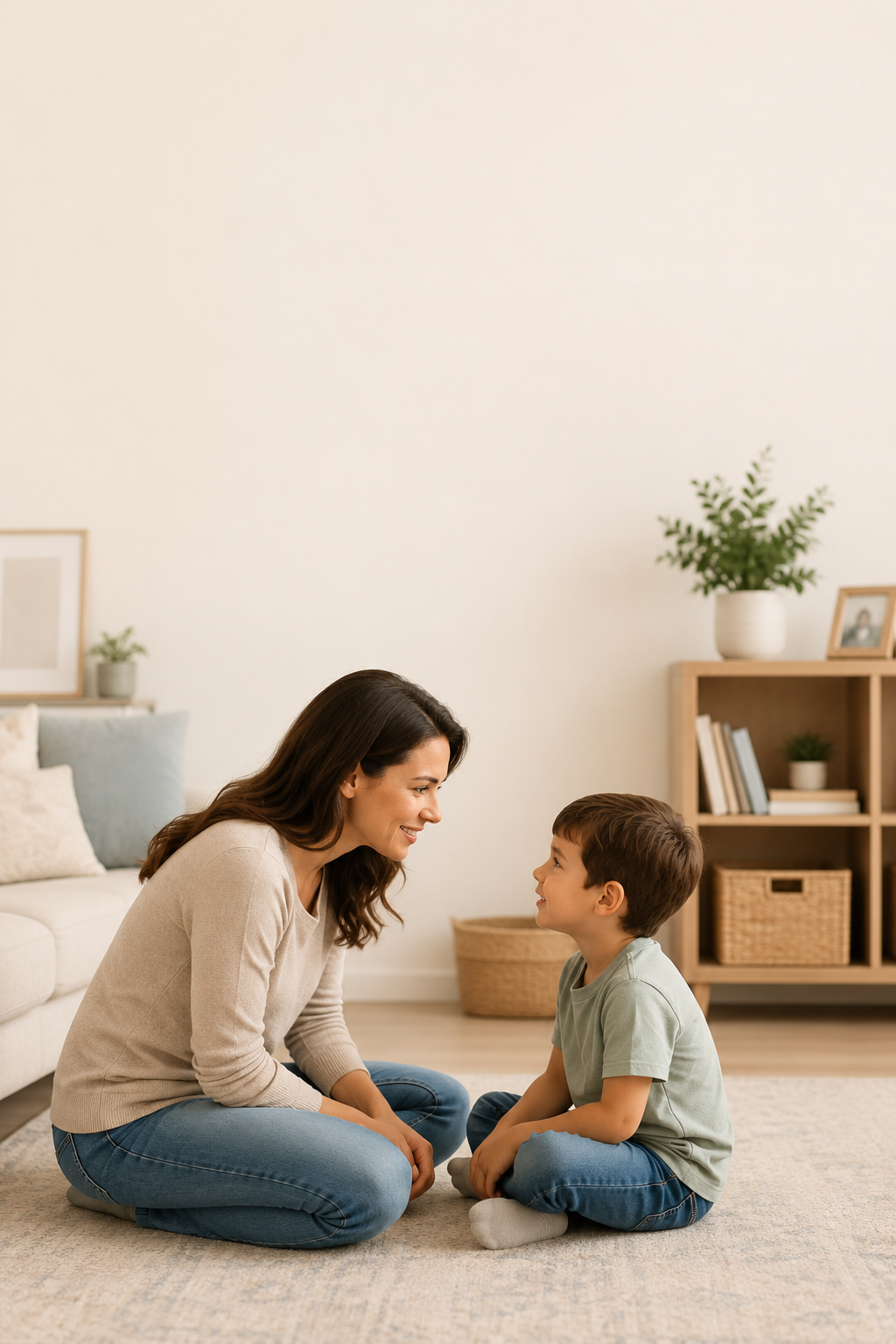
📌 Save this post for simple ways to build real-life independence.
Independence isn’t something kids suddenly “have”—it’s something they learn, one small moment at a time.
In everyday situations, it’s often quicker and easier to step in and do things for them. But when we slow down just a little, we give them the chance to build confidence, problem-solving skills, and real-world safety habits.
The good news is, teaching independence doesn’t have to feel overwhelming. With simple, everyday opportunities, you can help your child grow more capable and confident—step by step.
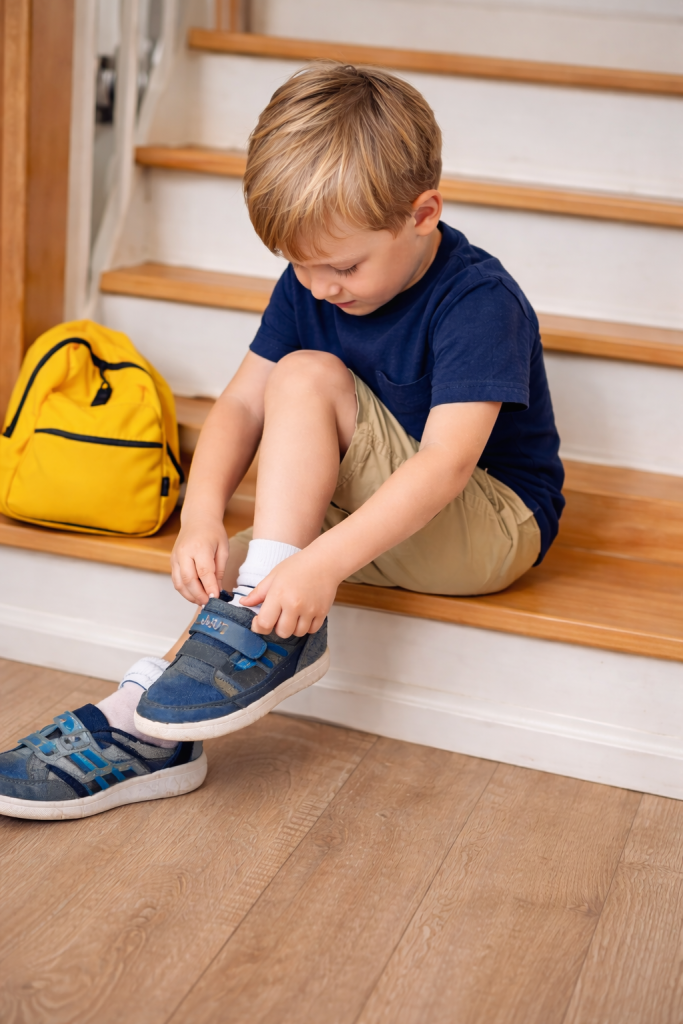
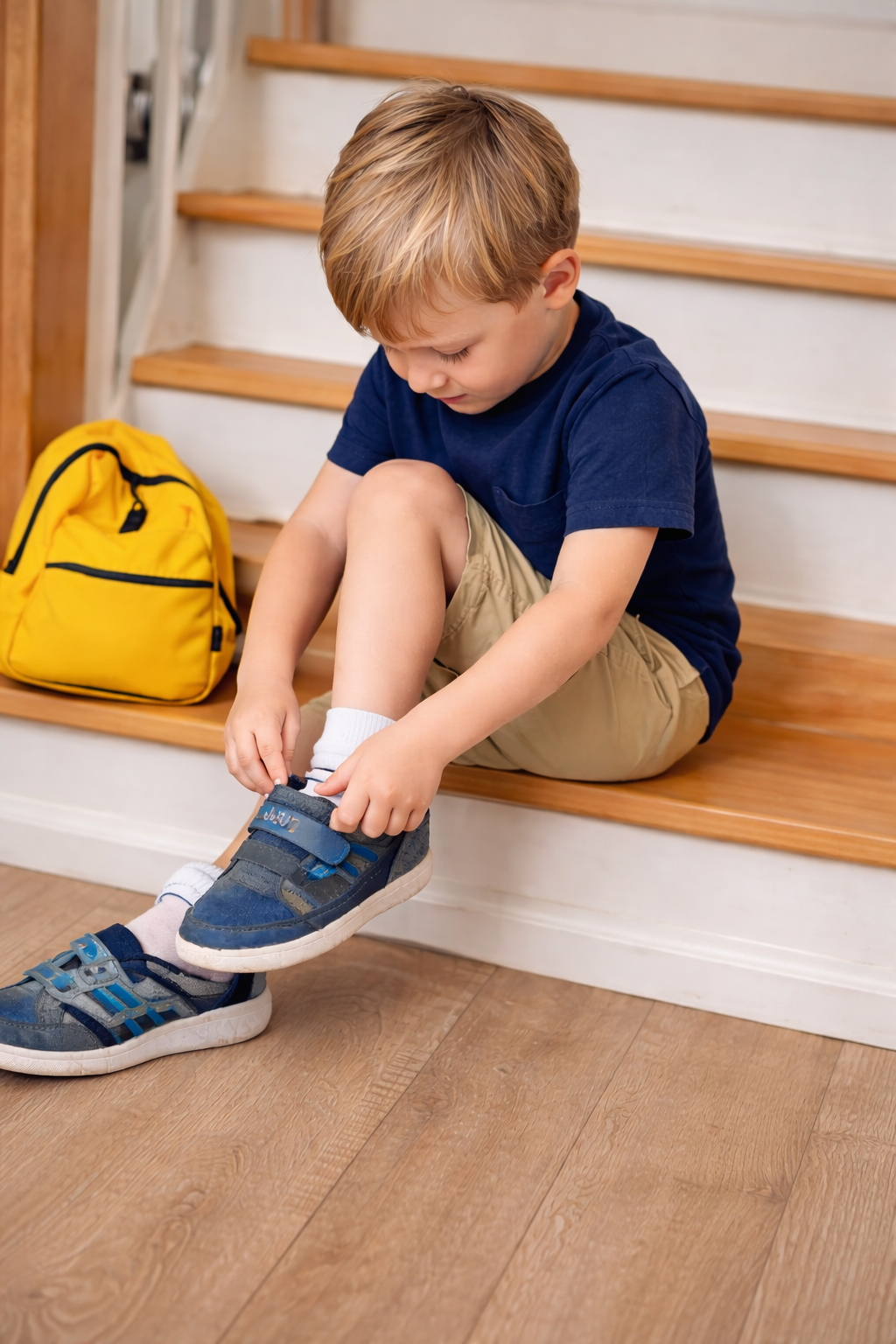
Start with simple, everyday tasks your child can begin to do on their own.
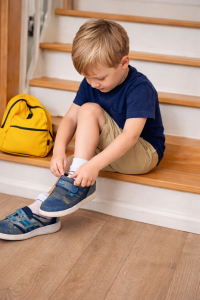
Things like getting dressed, putting on their shoes, or helping carry their own items may take a little longer at first—but these small moments build confidence over time.
When kids practice doing things for themselves, they start to believe, “I can do this.” And that belief carries into bigger situations.
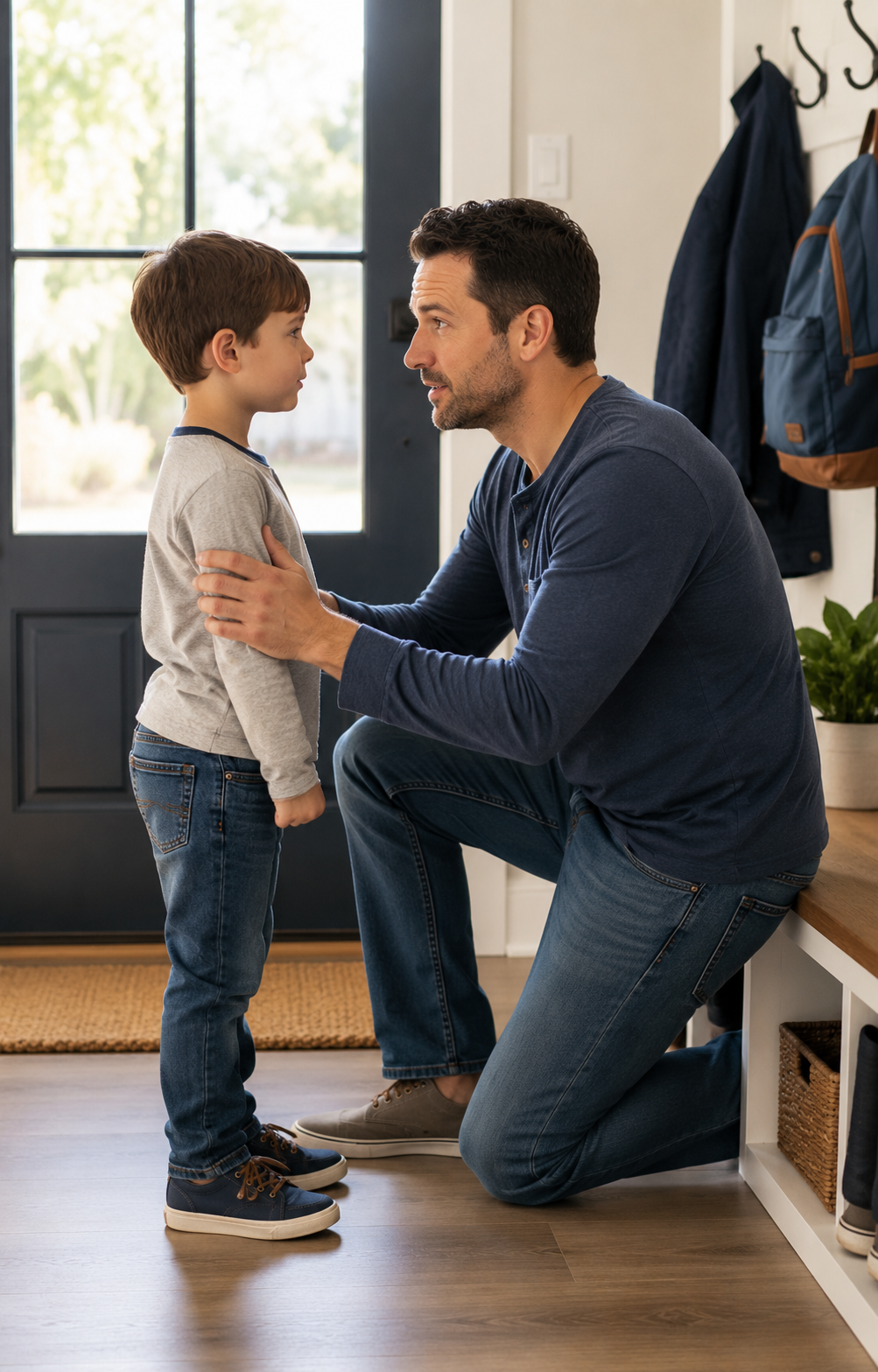
Independence and safety go hand in hand.
Use everyday moments—like walking through a parking lot or crossing the street—to teach awareness and safe habits. Talk through what to look for, what to listen for, and how to make safe decisions.
These real-life lessons help children build the skills they need to navigate the world more confidently.

──────────────────────────────
Want more practical parenting tips like this?
Join other parents getting simple safety tips, helpful product recommendations, and real-life parenting advice for babies through young kids.
✓ Safety tips many parents don’t realize
✓ Parent-tested products that actually help
✓ Practical ideas you can use right away
Delivered every other week — no spam, no selling or sharing your contact info.
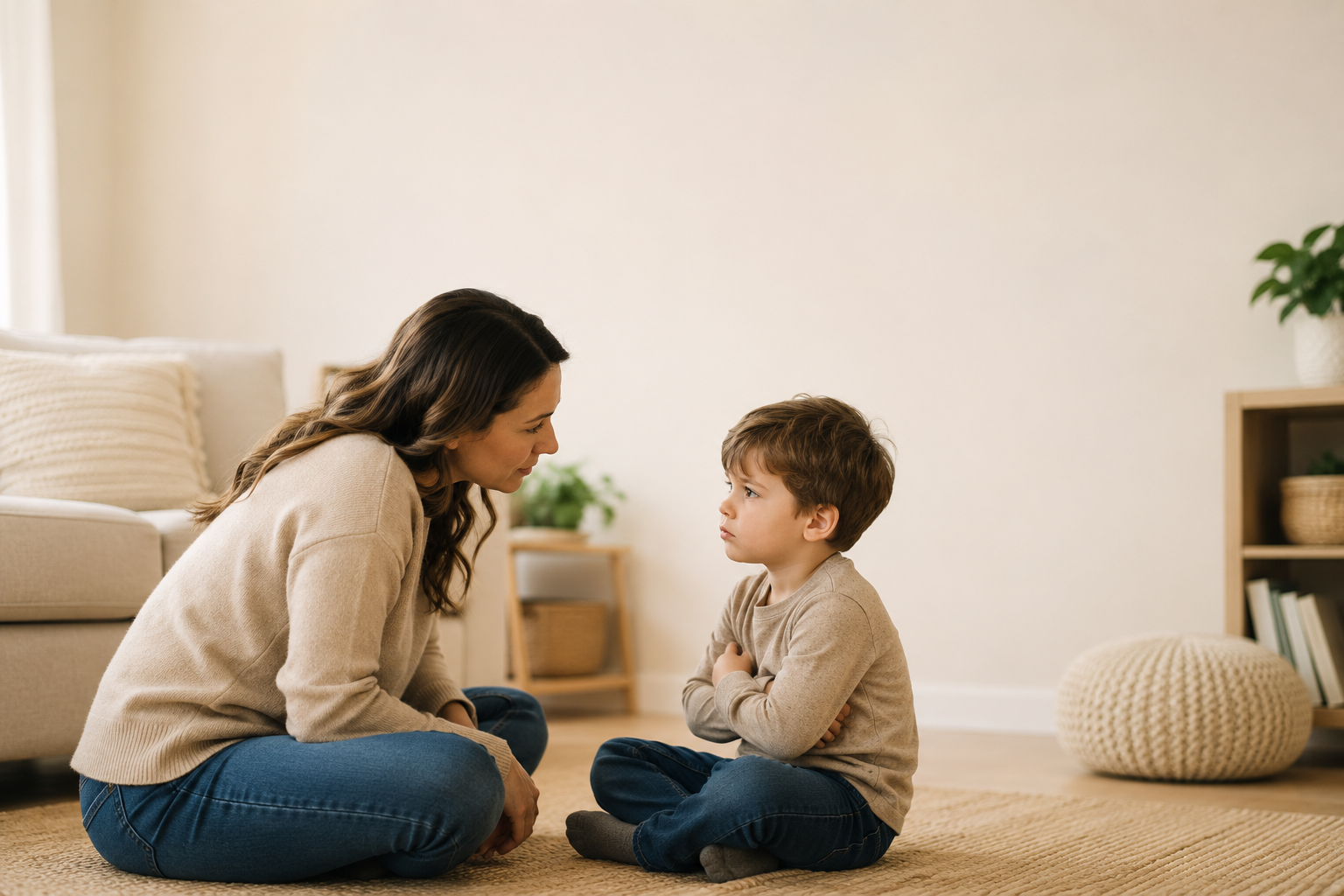
It’s natural to want to jump in and help—but a little struggle is where learning happens.
When kids are given the chance to figure things out, they build problem-solving skills and resilience. The key is to stay nearby and step in only when needed for safety.
Letting them try—even if it’s not perfect—helps them grow more capable with each attempt.
Independence doesn’t happen overnight—it’s built through consistency.
The more opportunities children have to practice, the more confident and capable they become. Even small, repeated actions add up over time.
Staying consistent helps independence become a natural part of their daily routine.
Praise the effort your child puts in, not just the outcome.
When kids feel encouraged for trying—even if it’s not perfect—they’re more likely to keep going and build confidence over time. Focus on what they did well, and guide them gently on what to improve.
This helps them see mistakes as part of learning, not something to avoid.
──────────────────────────────
Want more practical parenting tips like this?
Join other parents getting simple safety tips, helpful product recommendations, and real-life parenting advice for babies through young kids.
✓ Safety tips many parents don’t realize
✓ Parent-tested products that actually help
✓ Practical ideas you can use right away
Delivered every other week — no spam, no selling or sharing your contact info.
Independence isn’t about doing everything alone—it’s about building the skills to handle real-world situations safely.
Start small, stay consistent, and let them try.
Save this post so you can come back to these ideas later.