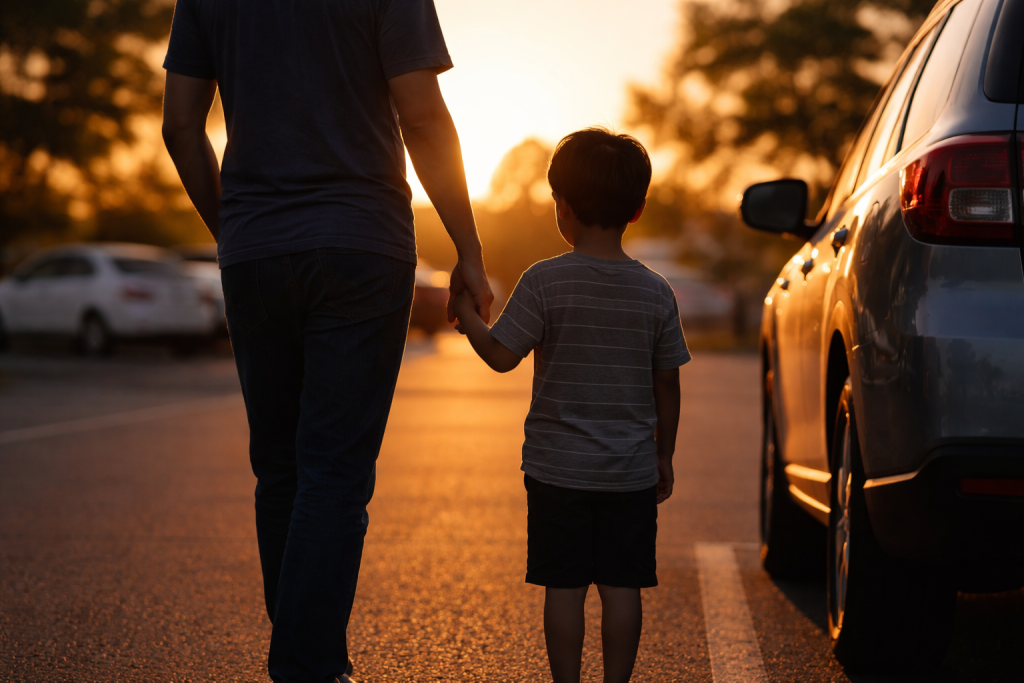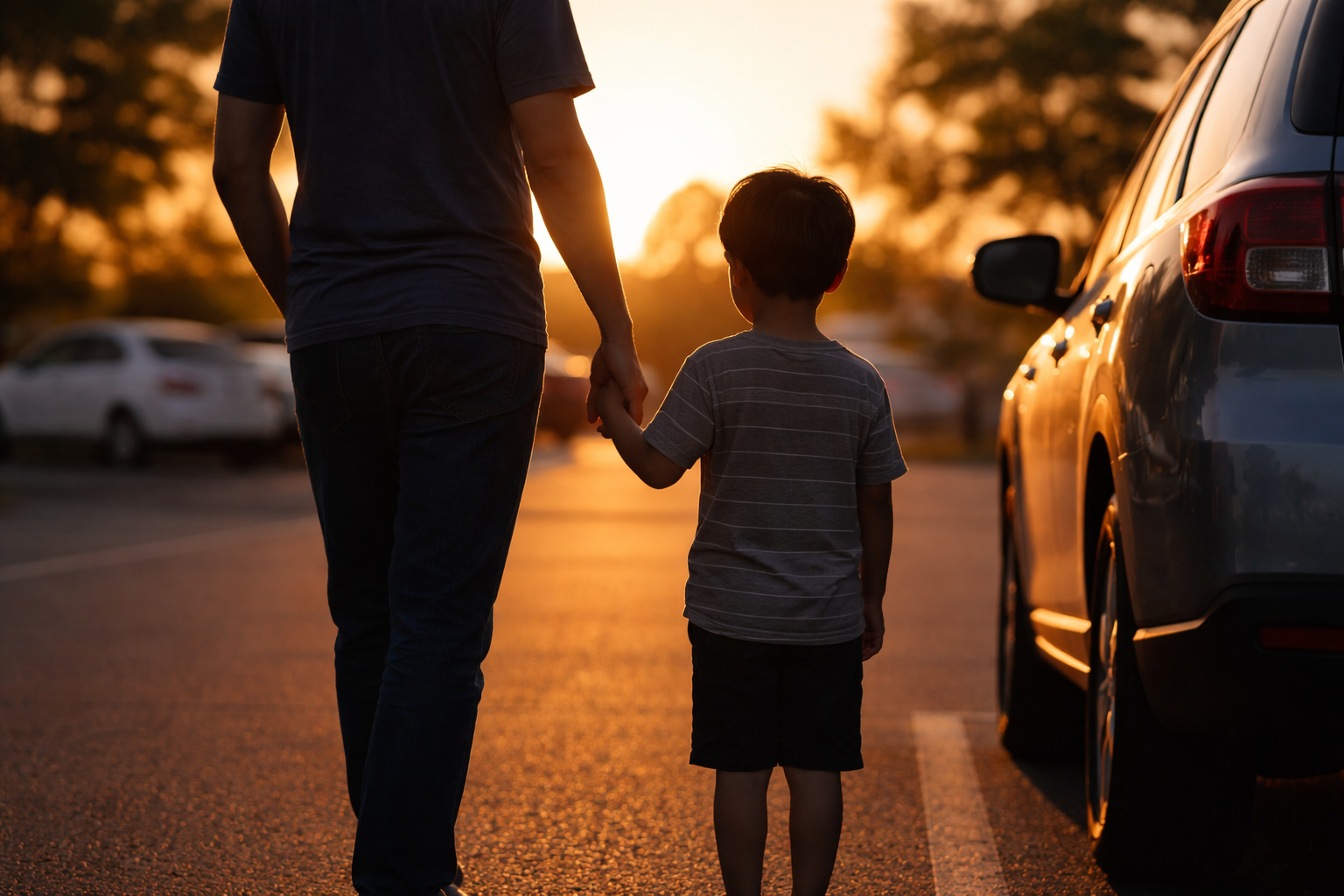
📌 Save this to practice safer car routines with your child
Car safety doesn’t stop when the ride ends.
Most parents focus on:
And those things matter.
But many unsafe moments happen:
A child who rides safely still needs to know how to move safely around the vehicle.
The ride may be over, but the safety risk isn’t.
Common situations where problems happen:
Parking lots are especially risky because:
These moments require clear routines, not last-second reminders.
Children should learn:
This is especially important for:
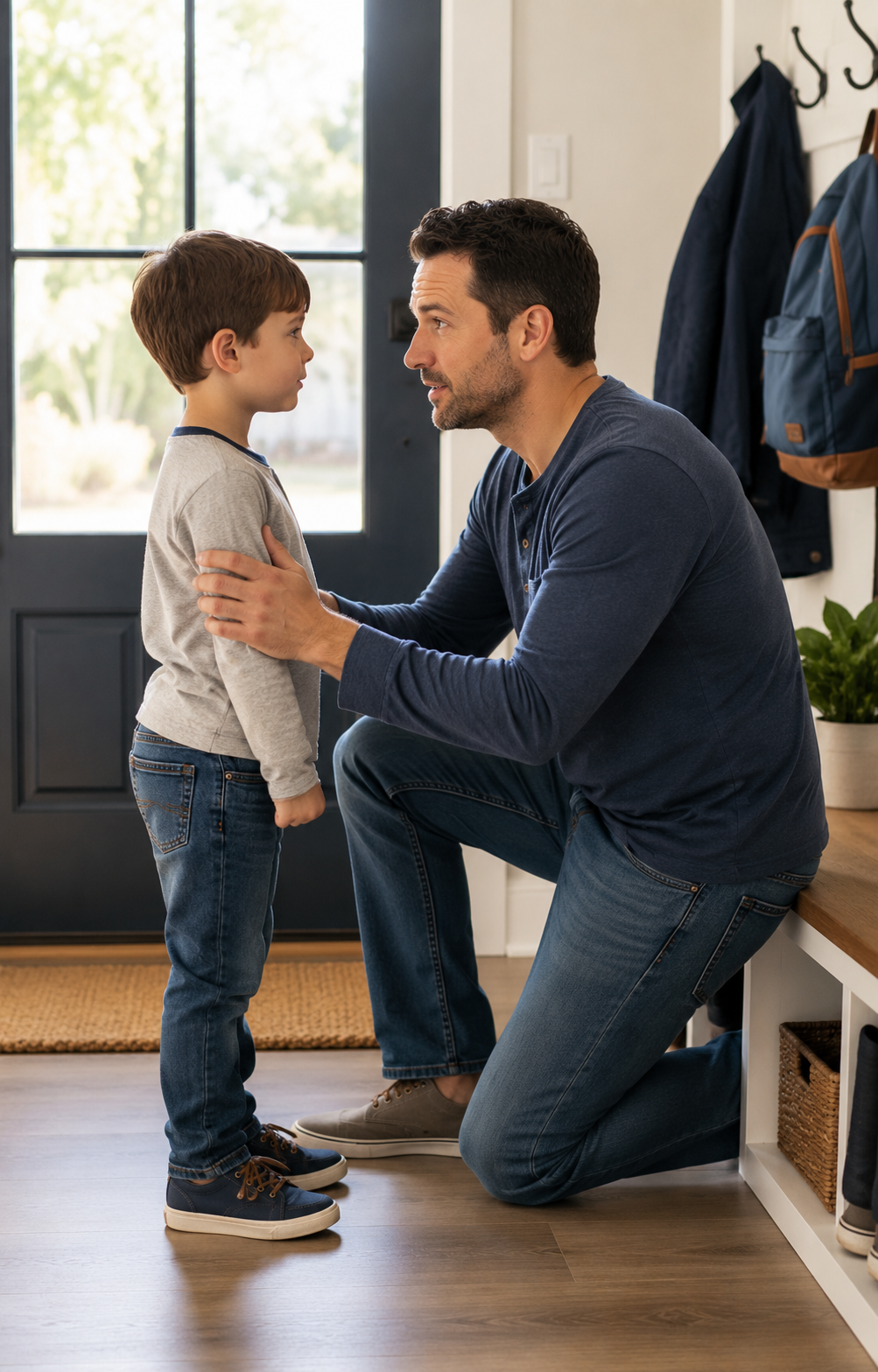
Simple script:
“Wait until I tell you.”
Consistency matters more than repetition in the moment.
Children often reach for the door as soon as the car stops.
But that can lead to:
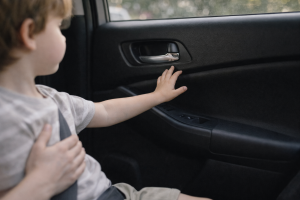
Teach:
Simple script:
“Hands still. Wait for my words.”
──────────────────────────────
Want more practical parenting tips like this?
Join other parents getting simple safety tips, helpful product recommendations, and real-life parenting advice for babies through young kids.
✓ Safety tips many parents don’t realize
✓ Parent-tested products that actually help
✓ Practical ideas you can use right away
Delivered every other week — no spam.
Once out of the car, children need a clear expectation.
Examples of simple rules:
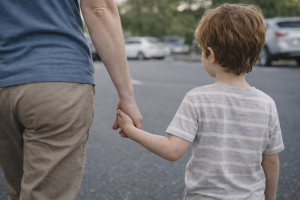
The exact rule can vary, but it should be:
Children follow routines better than rushed instructions.
A consistent routine might include:
When the routine stays the same:
Some children may be physically capable of:
But that doesn’t mean they are ready to do it safely every time.
Safety expectations should be based on behavior, not birthdays
If a child:
…they still need support.
As skills improve, you can begin teaching:
These are next-level habits, built on the basics.
Instead of correcting in the moment, focus on:
Children learn best when:
──────────────────────────────
Want more practical parenting tips like this?
Join other parents getting simple safety tips, helpful product recommendations, and real-life parenting advice for babies through young kids.
✓ Safety tips many parents don’t realize
✓ Parent-tested products that actually help
✓ Practical ideas you can use right away
Delivered every other week — no spam.
Car safety is more than the ride itself.
Children need safe habits for:
Because:
Car safety doesn’t stop when the ride ends
Start with one simple rule and practice it consistently.
📌Save this and review it before your next outing.