📌 Save this post so you can quickly decide if your child should sleep with a nightlight.
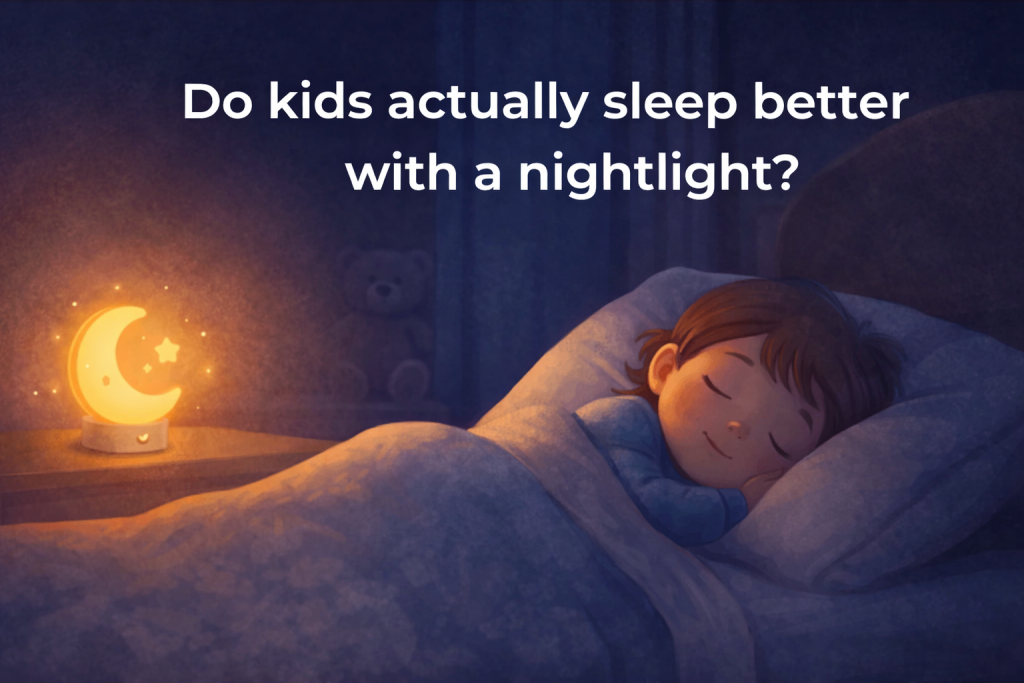
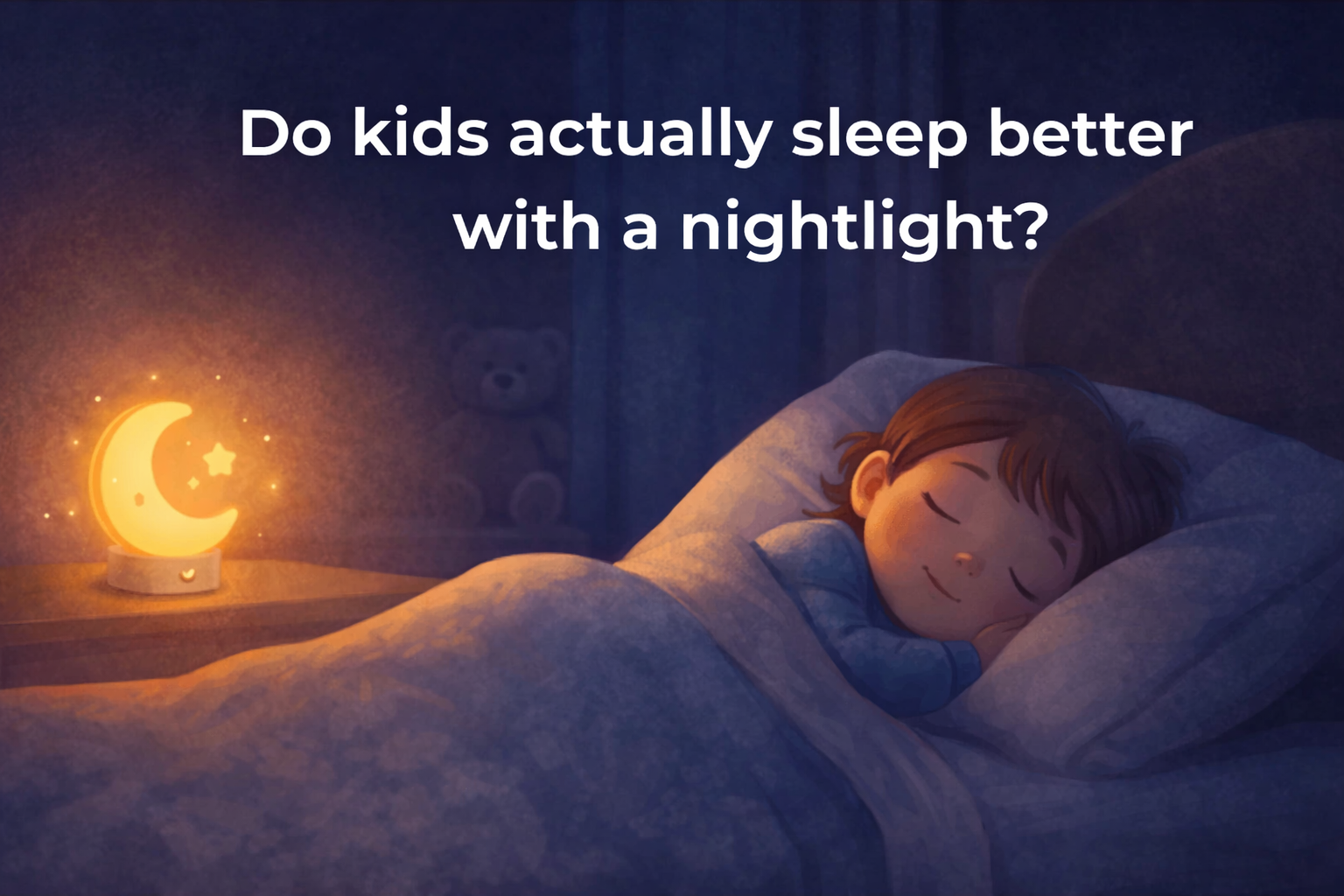
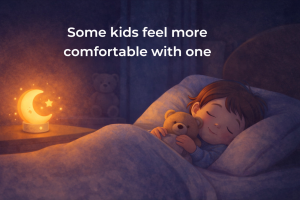
Many children feel more comfortable sleeping with a nightlight. A soft glow can make bedtime feel less intimidating and help children settle into their nighttime routine.
However, parents often wonder whether nightlights affect sleep quality. Light exposure at night can influence how the body produces melatonin, the hormone that helps regulate sleep.
Understanding when nightlights help—and how to use them correctly—can make bedtime easier while still supporting healthy sleep habits.
Young children often develop fears of darkness as their imagination grows.
A nightlight can help by:
• reducing fear of dark rooms
• helping children navigate the room if they wake at night
• creating a comforting bedtime environment
For some families, a nightlight becomes part of a predictable bedtime routine that signals it is time to sleep.
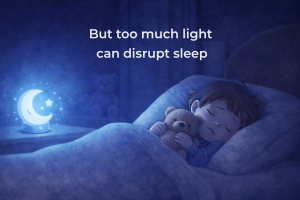
Light exposure at night can affect the body’s natural sleep cycle.
The body produces melatonin when it becomes dark. Even small amounts of light may reduce melatonin production, which can make it harder to fall asleep or stay asleep.
Bright lights and blue-tinted lights are the most disruptive.
This does not mean nightlights are always harmful, but it does mean brightness and color matter.
──────────────────────────────
Want more practical parenting tips like this?
Join other parents getting simple safety tips, helpful product recommendations, and real-life parenting advice for babies through young kids.
✓ Safety tips many parents don’t realize
✓ Parent-tested products that actually help
✓ Practical ideas you can use right away
Delivered every other week — no spam.
If a child prefers a nightlight, parents can minimize sleep disruption by choosing the right type.
Helpful tips include:
• choose a dim nightlight rather than a bright one
• use warm colors like soft yellow or amber
• place the nightlight away from the bed rather than next to the pillow
• avoid lights that shine directly into the child’s eyes
These adjustments allow children to feel comfortable while keeping the room mostly dark.
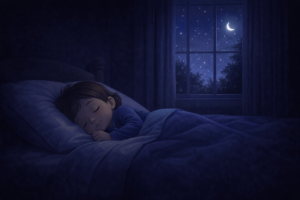
Some children sleep well in a completely dark room.
If a child does not seem afraid of the dark, a nightlight may not be necessary. A darker room can support deeper sleep for many people.
Parents can also gradually reduce nightlight brightness as children become more comfortable sleeping independently.
──────────────────────────────
Want more practical parenting tips like this?
Join other parents getting simple safety tips, helpful product recommendations, and real-life parenting advice for babies through young kids.
✓ Safety tips many parents don’t realize
✓ Parent-tested products that actually help
✓ Practical ideas you can use right away
Delivered every other week — no spam.
Nightlights can be helpful for children who feel anxious about sleeping in the dark. The key is keeping the light dim and warm so it does not interfere with natural sleep patterns.
If your child prefers a nightlight, choose one that provides just enough light to feel comfortable without brightening the entire room. A soft glow can offer reassurance while still allowing the body to recognize that it is time to sleep.
Every child is different, and the best sleep environment is the one that helps your child feel safe, relaxed, and ready for rest.
Healthy sleep habits can make bedtime easier for both kids and parents. A calm bedtime routine, a comfortable sleep environment, and consistent sleep schedules all help children settle more easily at night.