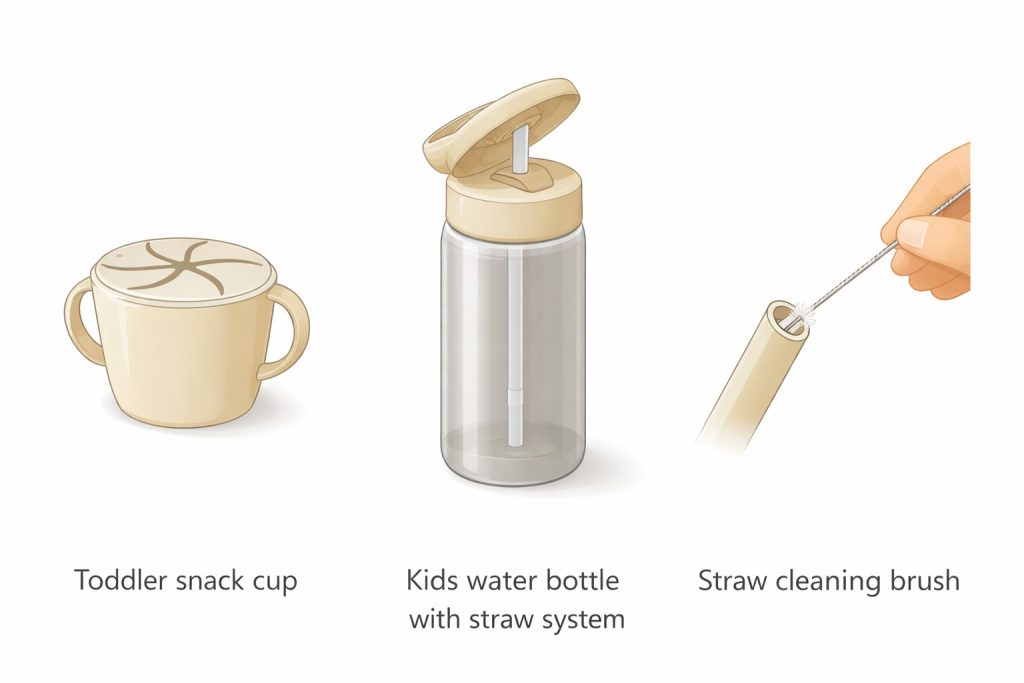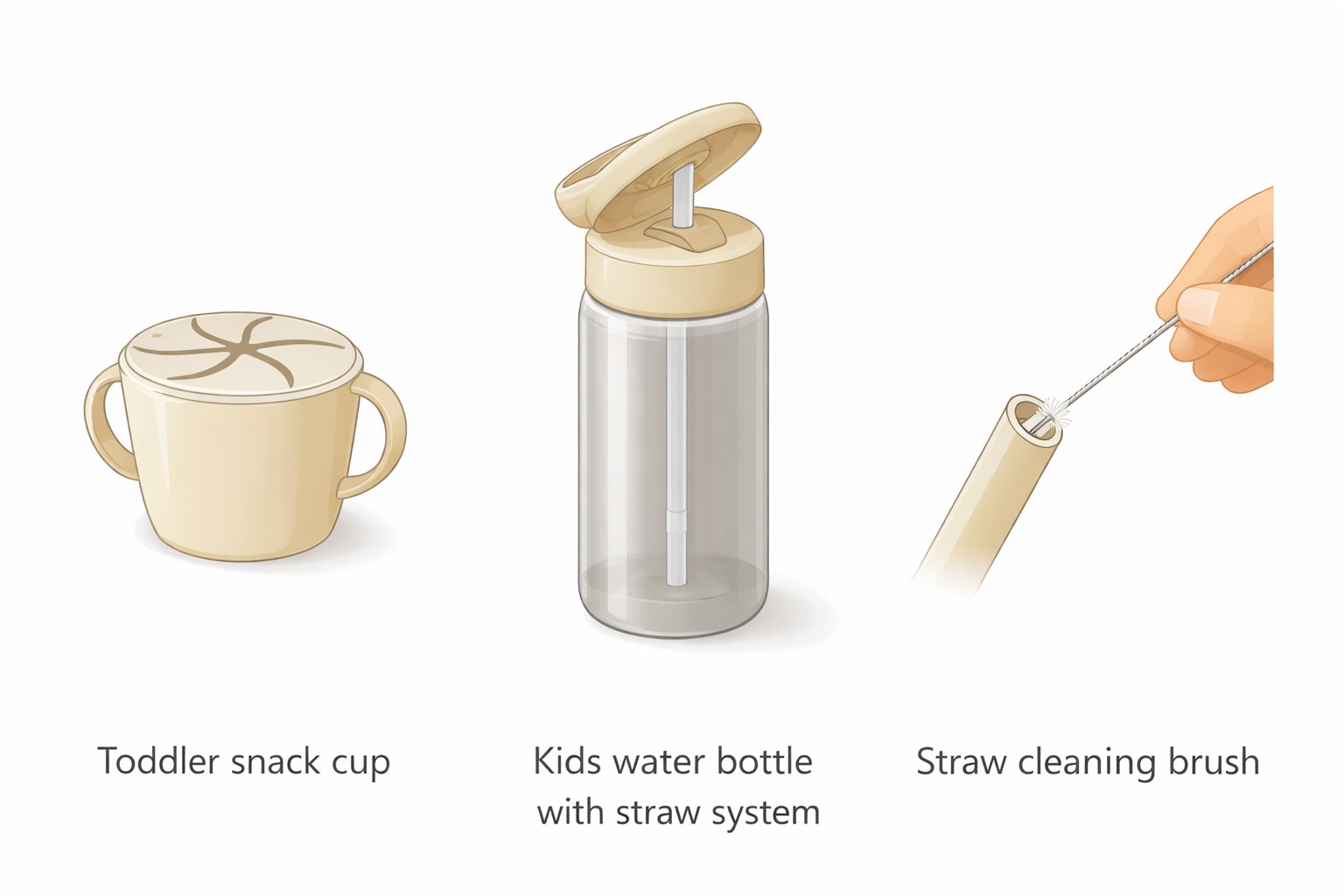
Parents often assume that snack cups, sippy cups, and water bottles made for children are automatically safe. However, not all materials used in these products are created equal.
Because these items come into contact with food and drinks, it’s important to understand what materials they are made from and how those materials may behave over time.
Taking a few minutes to check materials, certifications, and product descriptions can help parents choose products that are safer for everyday use.
Many plastic products are now labeled BPA-free, but that label only tells part of the story.
BPA (Bisphenol-A) is a chemical that was once commonly used in plastics and has raised concerns about possible hormone disruption. While BPA has been removed from many children’s products, other similar chemicals can sometimes be used in plastics.
When choosing products that hold food or drinks, it’s helpful to understand what materials are used in products designed for babies and young children. Look for labels such as:
BPA-free
BPS-free
phthalate-free
Clear labeling can help parents better understand what materials are being used.
The materials used in cups and snack containers make a big difference in durability and safety.
Common materials parents may consider include:
Food-grade silicone
Stainless steel
High-quality BPA-free plastics designed for food contact
Silicone and stainless steel are often preferred by parents who want to reduce the use of plastics in items that touch food or drinks.
──────────────────────────────
Want more tips for choosing safe products for kids?
Join other parents getting simple safety tips, helpful product recommendations, and real-life parenting advice for babies through young kids.
✓ Safety tips many parents don’t realize
✓ Parent-tested products that actually help
✓ Practical ideas you can use right away
Delivered every other week — no spam.
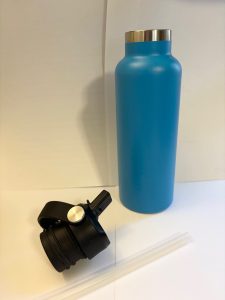
Many children’s water bottles and straw cups include a straw that attaches to the underside of the lid and reaches down into the bottle.
These internal straws are almost typically made from rigid food-safe plastic tubing. Stainless steel is rarely used for this type of straw because it would be too rigid and could make the lid assembly heavier or more difficult to use.
Most bottles designed for toddlers and young children use:
Polypropylene (PP) plastic straws
Food-grade silicone straws
Plastic straws are common because they are lightweight and durable. The internal straw must attach snugly to the underside of the lid in order for the bottle to function properly. Because of this design, many bottles use rigid plastic straws rather than softer materials. Parents should be aware that the internal straw system is often specific to the bottle design, and replacement parts may need to come from the original manufacturer.
Plastic materials can gradually wear over time, especially with frequent use, washing, scratching, or exposure to heat. This wear may contribute to the release of very small plastic particles known as microplastics.
To help reduce potential exposure, parents may want to:
choose bottles made from stainless steel or glass when possible
select cups that use food-grade silicone components
avoid using heavily scratched plastic containers
replace worn straws or drinking parts
It can also help to follow a few practical habits when using plastic containers:
Avoid placing flimsy plastic containers in the microwave, especially those not designed for heating.
Avoid refilling single-use plastic water bottles from grocery stores, gas stations, or convenience stores. These bottles are designed for one-time use and may degrade with repeated washing or refilling. In addition, bottles may have been exposed to heat during shipping or storage before purchase.
Avoid placing plastic containers in high-heat dishwasher cycles unless they are specifically labeled dishwasher safe.
While many products today are labeled BPA-free, it is helpful to remember that these materials are still plastics. Over time, plastics can degrade through normal wear, washing, and heat exposure.
Choosing durable materials and using them appropriately can help reduce potential exposure to unwanted particles.
One often overlooked issue with straw bottles and sippy cups is cleaning all of the drinking components thoroughly.
Because the straw runs through the lid and into the bottle, residue from drinks such as milk or juice can build up inside if the straw is not cleaned properly.
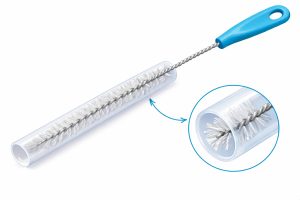
Parents should make sure they have a small bristle straw brush designed to clean narrow drinking tubes.
Helpful cleaning habits include:
removing the straw from the lid when possible
washing the straw with a narrow straw brush and rinse thoroughly under running water
cleaning the spout or drinking valve in the lid, where liquid passes through
allowing all parts to dry completely before reassembly
Proper cleaning helps prevent buildup and keeps bottles and cups safe for everyday use.
──────────────────────────────
Want more tips for choosing safe products for kids?
Join other parents getting simple safety tips, helpful product recommendations, and real-life parenting advice for babies through young kids.
✓ Safety tips many parents don’t realize
✓ Parent-tested products that actually help
✓ Practical ideas you can use right away
Delivered every other week — no spam.
At ModernKidsMax, we carefully review products before recommending them to parents.
When evaluating items that come into contact with food or drinks, we typically look for:
clearly stated materials and safety information
food-grade components when applicable
BPA-free and phthalate-free labeling
durable construction and easy cleaning
consistent product information from the manufacturer
If product listings contain conflicting or unclear material information, we prefer to research further before recommending those items.
Our goal is to help parents make informed decisions about the products they use every day.
Many families choose a mix of materials in their homes. For example, some parents use stainless steel or glass for food storage while still using lightweight cups designed for children. Understanding the materials used in each product can help parents make choices that work best for their family.
With so many products available for children, taking a moment to check materials, design, and safety information can make a meaningful difference. Small choices today can help create safer everyday routines for growing kids.
Save this post for reference for when you’re looking for safe snack cups, sippy cups, and water bottles for your children.