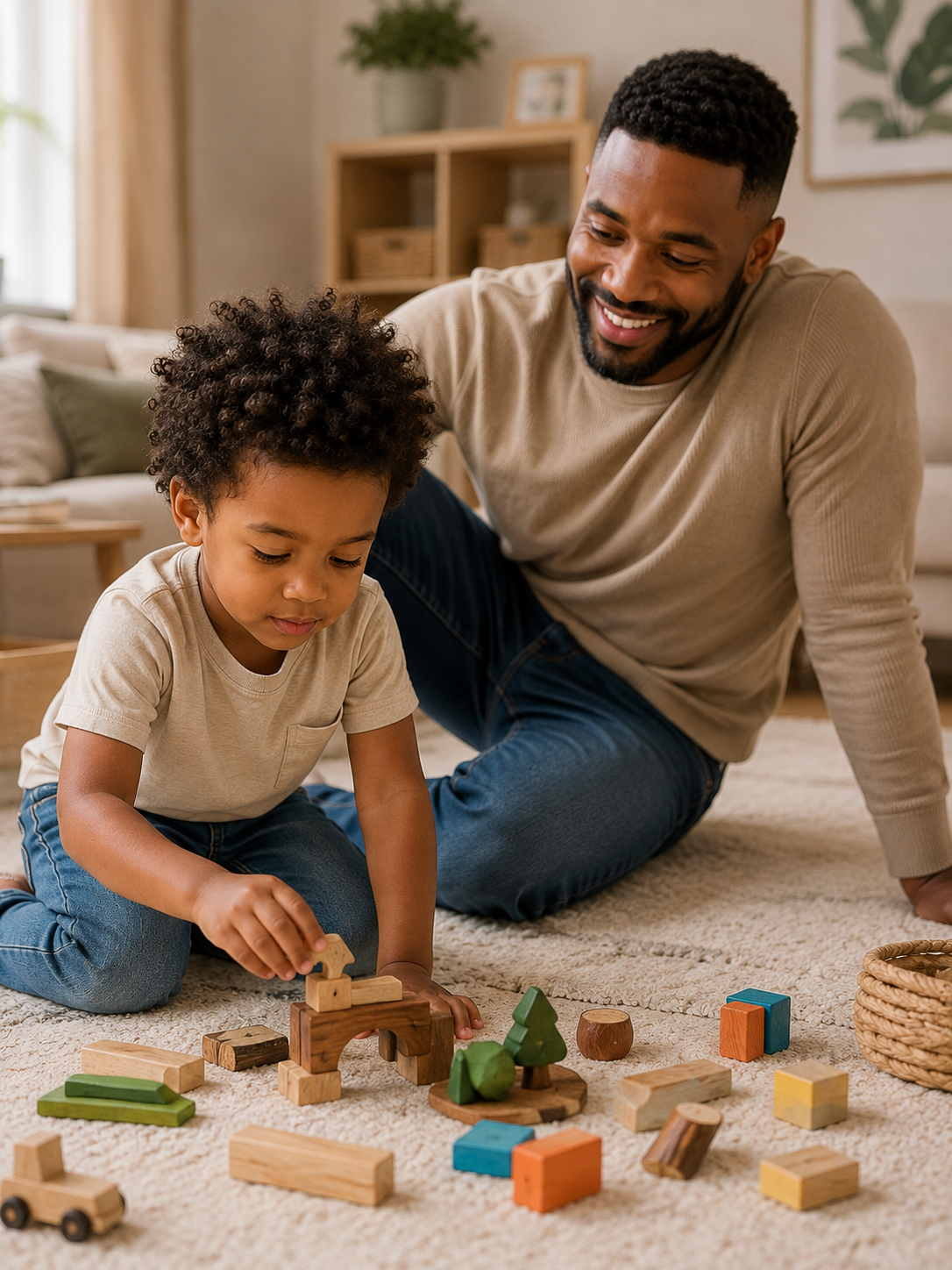
“Dad! Dad! Dad!”
You’re in the middle of a conversation, on an important phone call, or trying to finish a task when your child excitedly calls your name, eager to share what’s on their mind. If this sounds familiar, you’re not alone. Many parents assume kids interrupt because they’re being rude or demanding, but that’s usually not the case.
More often, children interrupt because they’re excited, afraid they’ll forget what they want to say, or simply haven’t yet developed the impulse control needed to wait. The good news is that waiting politely is a skill—and like any skill, it can be taught with patient guidance and consistent practice.
In this article, you’ll learn why kids interrupt, what their behavior is really communicating, and simple, positive strategies to help them learn when—and how—to wait their turn.

If it feels like your child interrupts every conversation, you’re not imagining it. But before assuming they’re being disrespectful, it’s important to understand what’s happening beneath the behavior. Most children don’t interrupt because they want to be rude—they interrupt because they’re excited, eager to share an idea, worried they’ll forget what they want to say, or simply haven’t yet developed the self-control to wait. Young children are still learning skills like impulse control, patience, and taking turns in conversations. With understanding, consistent guidance, and plenty of practice, they can learn to wait without losing their enthusiasm for communicating.

Young children are still developing the parts of the brain responsible for impulse control, self-regulation, and planning ahead. That means when an exciting thought pops into their mind, they often feel an overwhelming urge to share it immediately. They aren’t ignoring your rules on purpose—their brains are still learning how to pause, wait, and choose the right moment to speak. As children grow and receive consistent, patient guidance, these important skills become stronger. Understanding this developmental process doesn’t mean allowing constant interruptions, but it does help parents respond with realistic expectations and effective teaching instead of frustration.

Young children often interrupt because their excitement feels too important to keep inside. When they have a funny story, discover something new, or think of an exciting idea, sharing it immediately can feel urgent. Even if they know they’re supposed to wait, their developing impulse control may not be strong enough to stop them in the moment. That doesn’t mean they can’t learn—it simply means they need patient guidance and repeated opportunities to practice. As their self-control grows, so does their ability to pause, wait, and join conversations more respectfully.
──────────────────────────────
Want more practical parenting tips like this?
Join other parents getting simple safety tips, helpful product recommendations, and real-life parenting advice for babies through young kids.
✓ Safety tips many parents don’t realize
✓ Parent-tested products that actually help
✓ Practical ideas you can use right away
Delivered every other week — no spam, no selling or sharing your contact info.

No child is born knowing how to wait their turn in a conversation. Just like learning to tie shoes, ride a bike, or say “please” and “thank you,” waiting patiently is a skill that develops over time. Every interruption is an opportunity to teach, not just correct. When parents consistently model respectful communication, gently remind children to wait, and acknowledge their efforts, kids gradually learn that their thoughts matter—even if they have to hold onto them for a moment. Patience isn’t something children simply have or don’t have; it’s a skill that grows with practice, encouragement, and time.

Simply telling a child, “Don’t interrupt,” doesn’t teach them what they should do instead. Children need clear, specific guidance they can practice. Try teaching them a simple phrase like, “Dad, can I tell you something when you’re finished?” or “Excuse me, may I have a turn when you’re done?” If they interrupt, calmly remind them of the new phrase and encourage them to try again. Over time, they’ll begin replacing impulsive interruptions with respectful communication because you’ve shown them exactly what success looks like.

Learning to wait takes time, and children won’t get it right every time. Instead of expecting immediate perfection, look for small moments of progress. If your child pauses before speaking, waits a few extra seconds, or remembers to use a polite phrase, acknowledge the effort with specific praise. Saying something like, “I noticed you waited until I finished talking. That was very thoughtful,” helps children understand exactly what they did well. Encouragement builds confidence, and confident children are more likely to keep practicing positive communication skills
Every child interrupts sometimes. It’s a normal part of learning how conversations work and how to manage excitement, curiosity, and self-control. While interruptions can be frustrating, they’re also opportunities to teach skills your child will use for the rest of their life. With patient guidance, clear expectations, and consistent encouragement, your child can learn to wait their turn without losing their confidence or enthusiasm.
I remember when my own children were young. Whenever I pulled into the driveway, I’d lock the driver’s door before I even turned off the engine because my kids would come running out of the house, so excited to see me that they sometimes tried to open the car door before the car had completely stopped. They weren’t being disobedient—they were simply acting on their excitement. That experience reminded me that children often act first and think second, especially when big emotions are involved. Learning to pause, wait, and think before acting doesn’t happen overnight. Like learning not to interrupt, it’s a skill that develops through patient teaching, consistent reminders, and lots of practice.
The goal isn’t to raise children who never speak up. It’s to help them become thoughtful, respectful communicators who know their voice matters—and who also understand that waiting their turn is one way to show respect for others.
Parenting doesn’t come with a manual, but you don’t have to figure it out alone. Subscribe to the Tiny Steps Parenting Newsletter for practical, research-informed tips, real-life parenting strategies, and encouragement to help you raise confident, kind, and resilient kids—one small step at a time.
Delivered every other week — no spam, no selling or sharing your contact info.
Join our community today and receive new parenting insights delivered straight to your inbox.
📌 Save this article for the next time your child excitedly interrupts—you’ll be glad you did.
Helping parents navigate real-life parenting with calm, practical support.
— Modern Kids Max