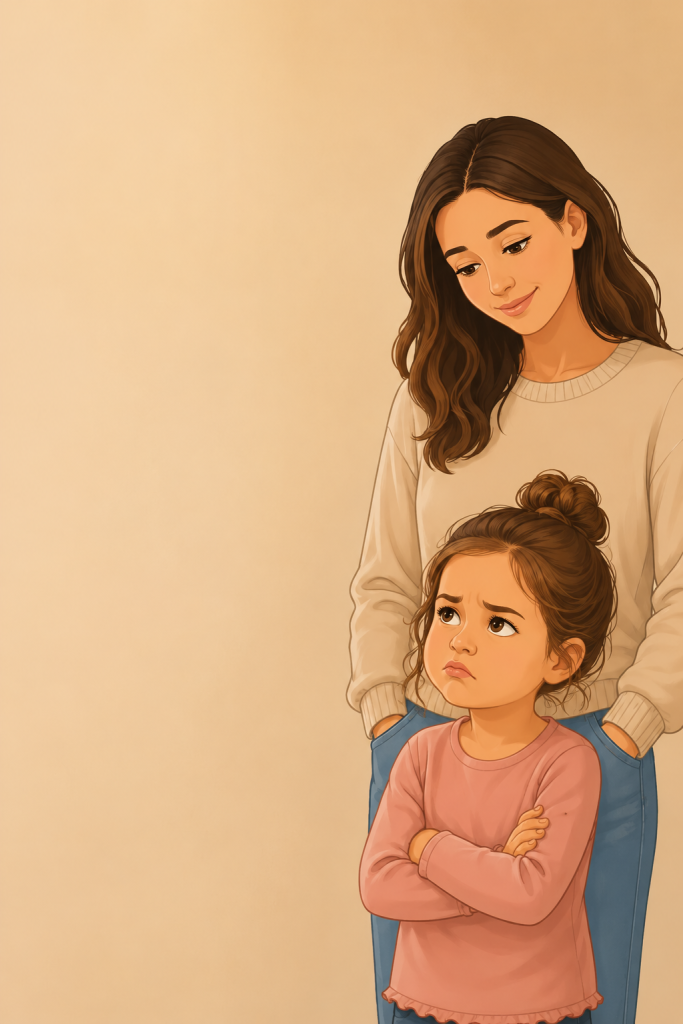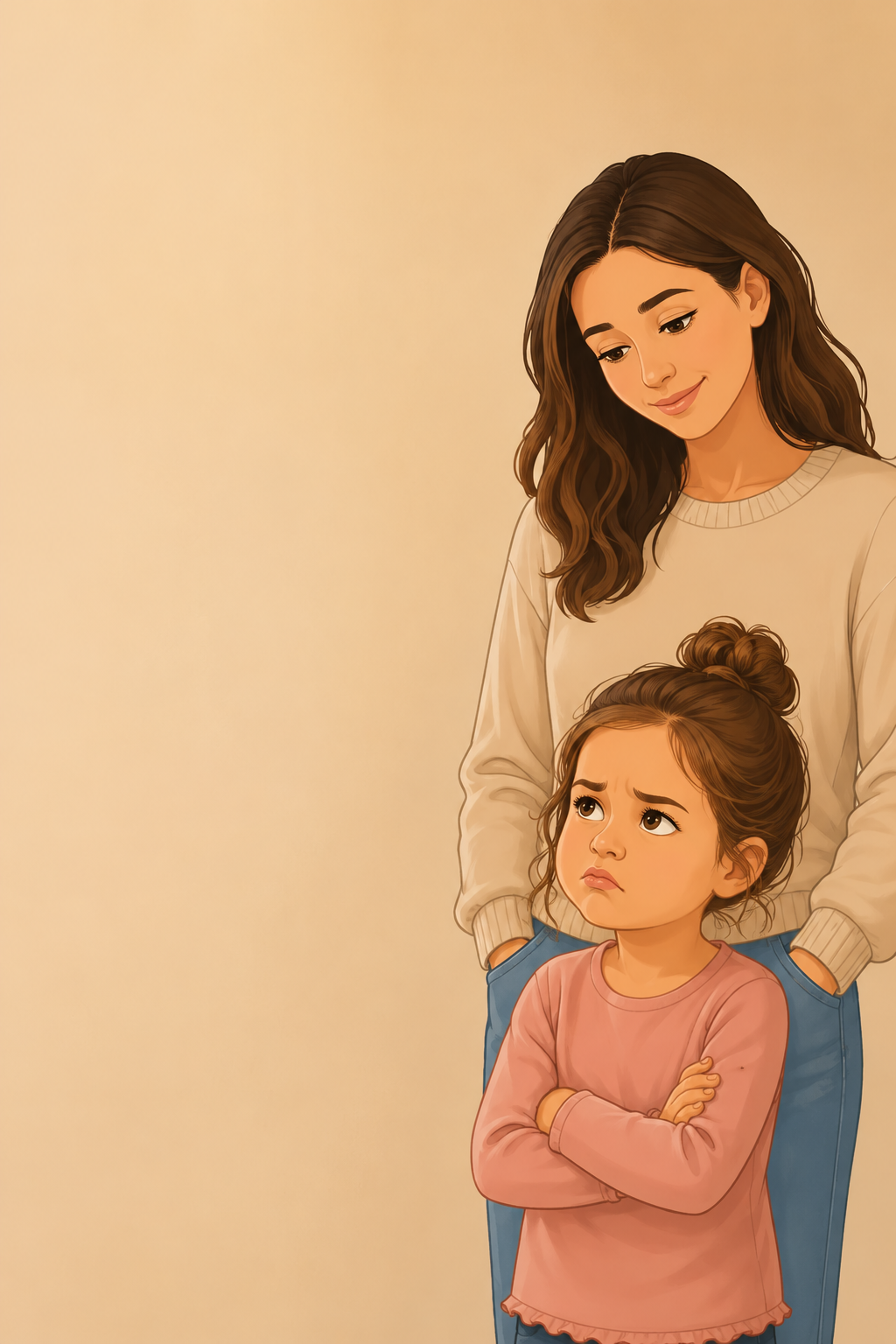
Few parenting challenges can test your patience quite like whining. Whether it’s asking for a snack, wanting one more toy, or protesting bedtime, the constant high-pitched requests can leave even the calmest parent feeling frustrated.
The good news is that whining usually isn’t about manipulating you. More often, it’s a sign that your child is struggling to express big feelings or unmet needs in a more effective way. Young children are still learning how to communicate disappointment, frustration, and impatience—and whining is often the result.
The way you respond can either encourage the behavior or help your child learn a better way to communicate. By staying calm, acknowledging their feelings, and setting consistent boundaries, you can teach skills that will benefit them long after the whining phase has passed.
In this article, you’ll learn why kids whine, what they’re really trying to communicate, and simple strategies to respond without giving in—helping your child build healthier communication habits one interaction at a time.

Whining is a normal part of child development, especially during the toddler and preschool years. Young children are still learning how to manage big emotions and express themselves clearly. When they’re tired, hungry, frustrated, overwhelmed, or disappointed, they may resort to whining because they don’t yet have the words or self-control to communicate those feelings in a calmer way.
While it can be frustrating to hear, whining is often less about getting on your nerves and more about asking for help the only way your child knows how. Recognizing the need behind the behavior is the first step toward responding in a way that teaches better communication instead of simply trying to stop the noise.

When your child starts whining, your first instinct may be to tell them to stop or give in just to end the noise. While those reactions are understandable, they often reinforce the behavior. If whining consistently gets attention or results, children learn that it works.
Instead, stay calm and acknowledge what your child is feeling before setting a clear boundary. You might say, “I know you’re disappointed,” or “I hear that you really want that.” Then gently encourage them to ask again using their regular voice. When they do, respond positively. This approach teaches that respectful communication—not whining—is the most effective way to have their needs heard.

──────────────────────────────
Want more practical parenting tips like this?
Join other parents getting simple safety tips, helpful product recommendations, and real-life parenting advice for babies through young kids.
✓ Safety tips many parents don’t realize
✓ Parent-tested products that actually help
✓ Practical ideas you can use right away
Delivered every other week — no spam, no selling or sharing your contact info.
Teaching better communication doesn’t happen overnight. Your child will still have moments when they whine, especially when they’re tired, hungry, or overwhelmed. That’s completely normal. What matters most is how consistently you respond.
Each time you calmly acknowledge your child’s feelings, encourage them to use their regular voice, and respond when they communicate respectfully, you’re helping them build lifelong communication skills. Progress may come in small steps, but those small moments add up. With patience and consistency, your child will learn that calm, respectful communication is the best way to express their needs.

Whining is a phase that many children go through, but it doesn’t have to become a daily power struggle. By understanding what’s behind the behavior and responding with patience instead of frustration, you can help your child develop healthier ways to express their thoughts and feelings.
Remember, the goal isn’t to stop the whining overnight—it’s to teach your child the communication skills they’ll use for years to come. Every calm response, every clear boundary, and every opportunity to practice using a regular voice is a small step toward lasting change.
With consistency, encouragement, and plenty of patience, you’ll not only reduce whining over time—you’ll also strengthen your relationship with your child and build the foundation for respectful, confident communication.
Want more practical parenting tips like this?
Join other parents getting simple safety tips, helpful product recommendations, and real-life parenting advice for babies through young kids.
✓ Safety tips many parents don’t realize
✓ Parent-tested products that actually help
✓ Practical ideas you can use right away
Delivered every other week — no spam, no selling or sharing your contact info.
📌 Save this article for the next time whining starts. These simple strategies will help you respond with confidence while teaching your child better communication skills.
Helping parents navigate real-life parenting with calm, practical support.
— Modern Kids Max