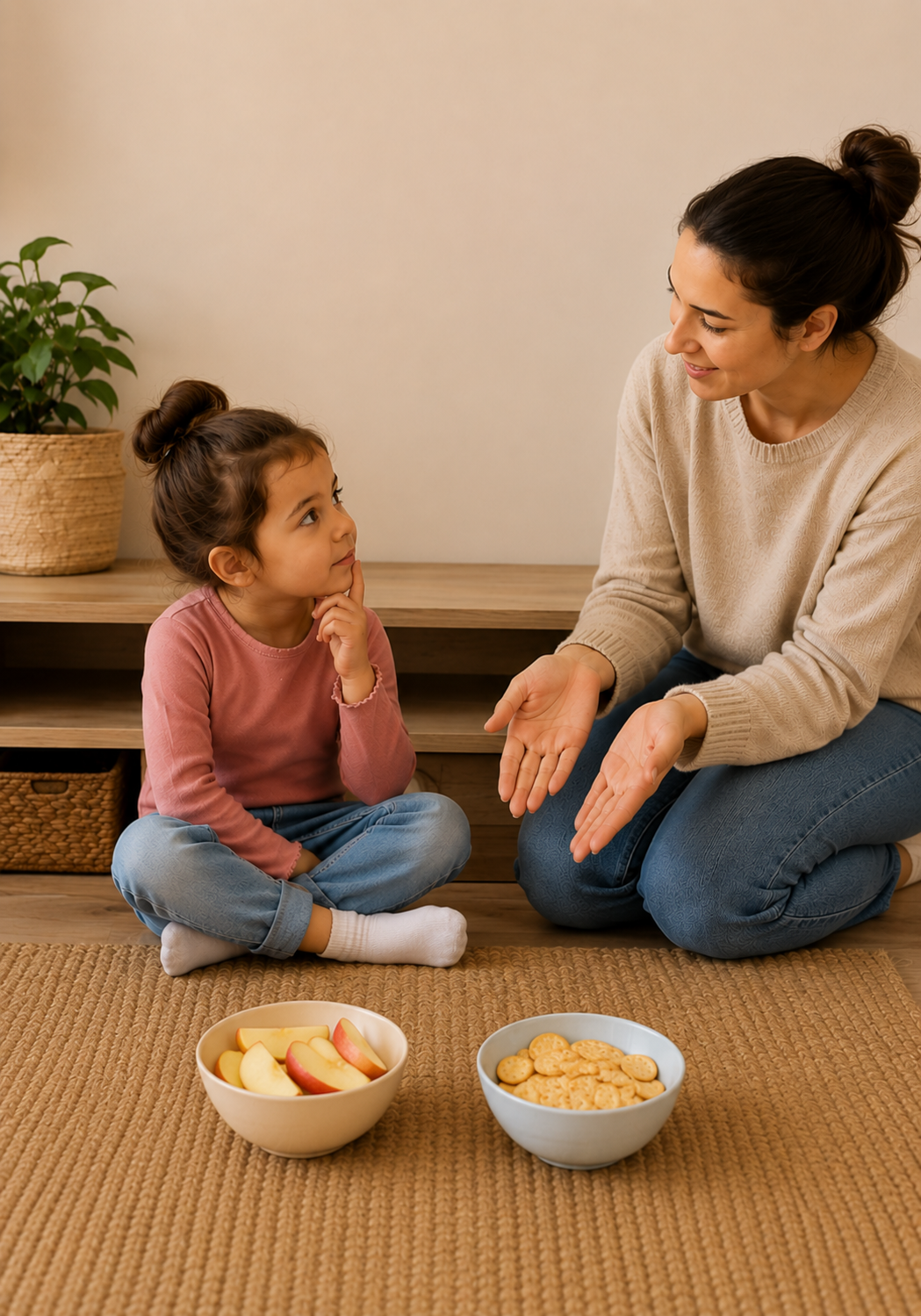
Children don’t need every moment of their day filled with activities, lessons, or entertainment. In fact, having some unstructured time can be an important part of healthy childhood development.
When kids have space to play without a specific goal or an adult directing every step, they can follow their curiosity, use their imagination, make choices, and discover what interests them. This kind of play also gives children an opportunity to practice problem-solving and independence at their own pace.
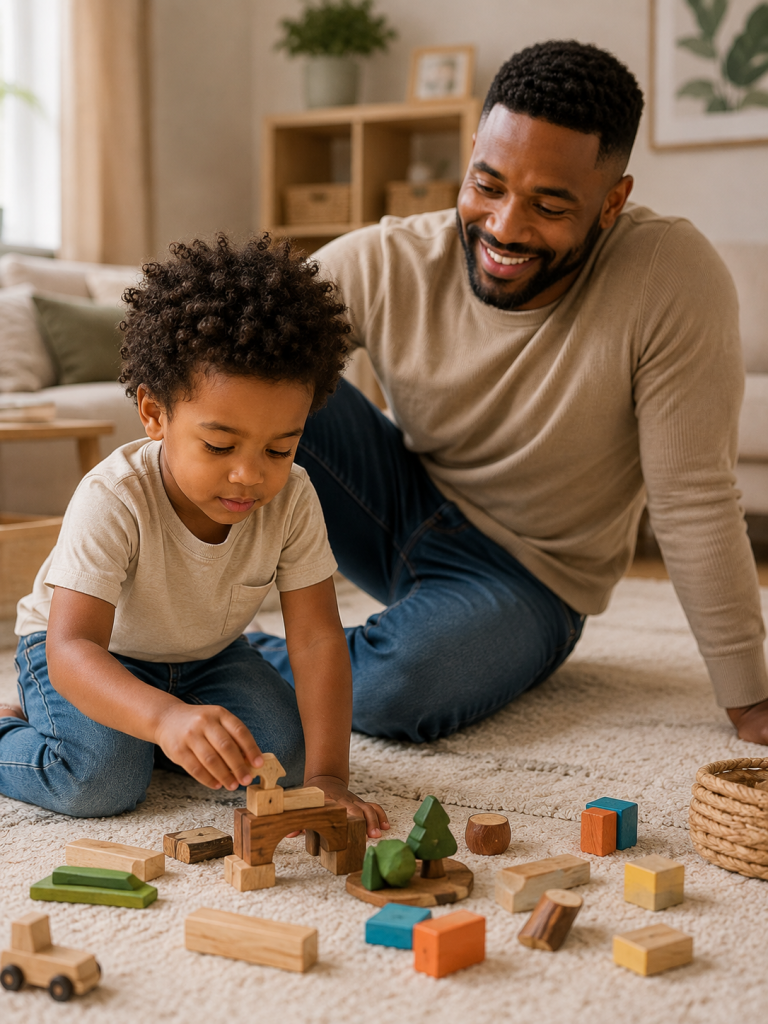
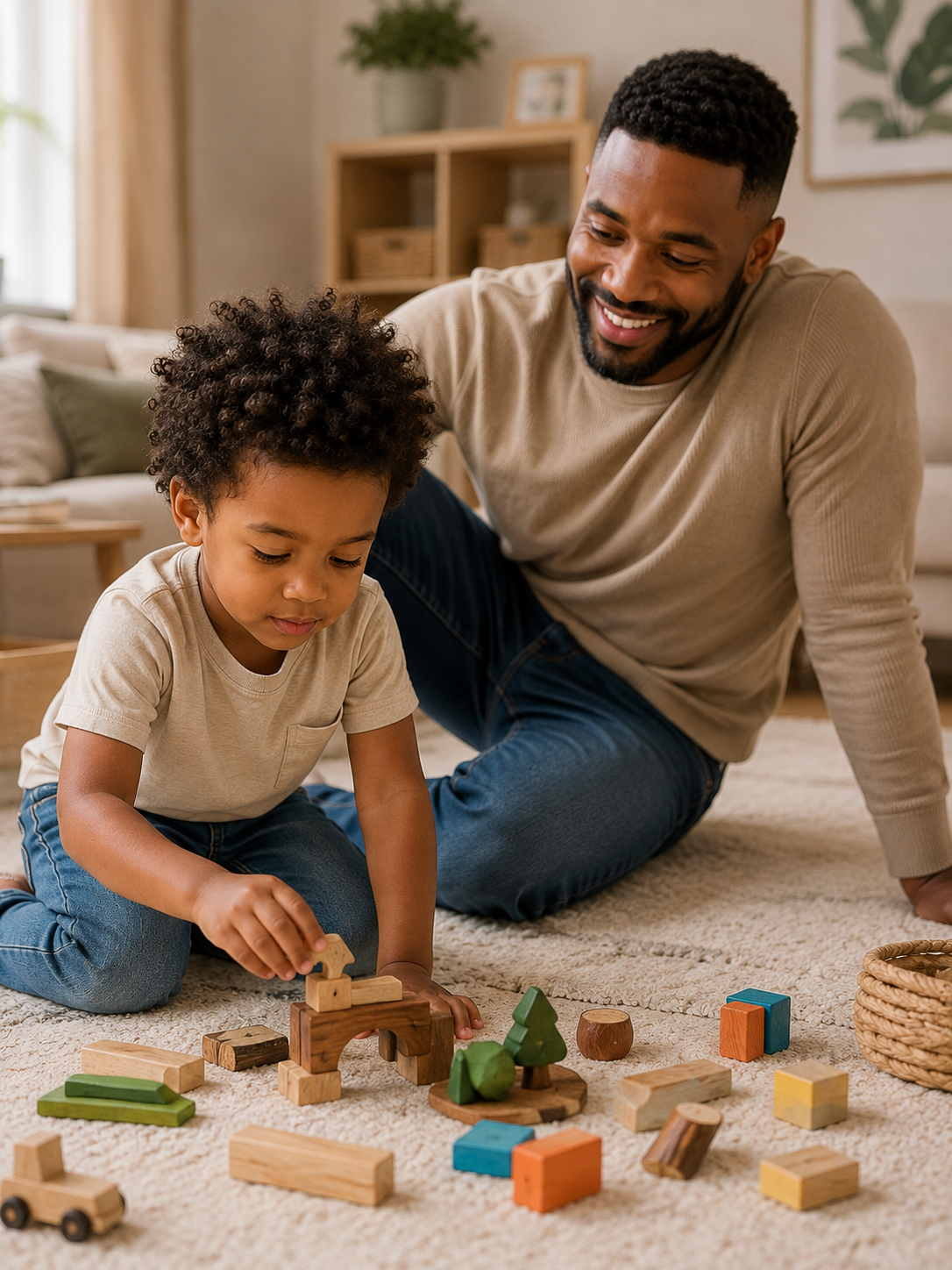
Downtime doesn’t necessarily mean nap time or doing nothing. It can simply mean having some unstructured time when children aren’t being directed toward a particular activity. They might build with blocks, pretend, draw, look at books, explore, or simply decide what they want to do.
Downtime isn’t waisted time. It’s valuable time for kids to simply play, explore, recharge, and be themselves.
In this article, we’ll look at why children need downtime and how unstructured play can support creativity, independence, problem-solving, and emotional well-being.
When children have unstructured time, they can follow their own ideas instead of waiting for an adult to tell them what to do. A pile of blocks can become a tower, a blanket can become a fort, or a few toys can turn into an imaginative adventure. This freedom encourages creativity and gives kids the opportunity to explore what interests them at their own pace.
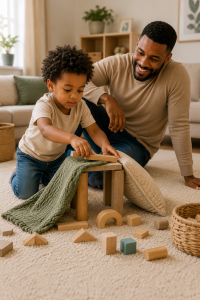
When children are free to decide what they want to do, they also get opportunities to figure things out on their own. They may discover that a tower needs a wider base, try a different way to build something, or change their approach when an idea doesn’t work. These small challenges help kids practice experimenting, adapting, and finding solutions without immediately relying on an adult to step in.
──────────────────────────────
Want more practical parenting tips like this?
Join other parents getting simple safety tips, helpful product recommendations, and real-life parenting advice for babies through young kids.
✓ Safety tips many parents don’t realize
✓ Parent-tested products that actually help
✓ Practical ideas you can use right away
Delivered every other week — no spam, no selling or sharing your contact info.
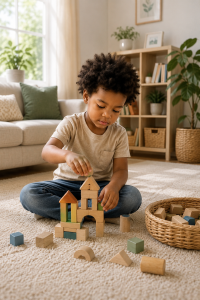
When children have time to direct their own play, they get opportunities to make choices without an adult deciding what comes next. They can choose what to play, how to use their toys, and when to change direction. These small decisions help children build confidence in their ability to think for themselves and take ownership of their play.

Unstructured play can give children a chance to slow down, process their experiences, and recharge without being directed from one activity to the next. Even when they’re still playing, having control over what they do and how they spend their time can help kids feel more settled and ready for what’s next.
Kids don’t need every minute of the day planned, structured, or filled with activities. Giving them regular opportunities for unstructured play allows them to create, experiment, make choices, solve problems, and simply follow their own interests.
Downtime isn’t about adding another schedule or insisting that children sit quietly. It’s about creating space for kids to direct some of their own time. That space can support creativity, independence, problem-solving, and emotional well-being in ways that organized activities can’t always provide.
So the next time your child says, “I’m bored,” you don’t necessarily need to find something for them to do. Sometimes, giving them the space to figure it out for themselves is exactly what they need.
Want more practical parenting tips like this?
Join other parents getting simple safety tips, helpful product recommendations, and real-life parenting advice for babies through young kids.
✓ Safety tips many parents don’t realize
✓ Parent-tested products that actually help
✓ Practical ideas you can use right away
Delivered every other week — no spam, no selling or sharing your contact info.
📌 Save this article for a reminder that unstructured play isn’t wasted time—it’s valuable space for kids to imagine, explore, and grow.
Helping parents navigate real-life parenting with calm, practical support.
— Modern Kids Max